


Premium Vietnamese Green Coffee Beans – High Quality Robusta & Arabica For Export
Selected, Graded And Packed For Roasters, Importers And Manufacturers By Đại Hung Phat
Pick up a handful of good green coffee and you can almost read its history. The beans are dense and even, the color is a clean pale green, the surface is smooth, and there is a faint, fresh, grassy scent instead of any trace of mold or fermentation. That simple first impression says a lot about how the coffee was grown, harvested, dried and stored, and it is the reason serious buyers insist on Premium Vietnamese Green Coffee Beans rather than generic, mixed-quality lots.
In this guide, Đại Hung Phat explains what makes Premium Vietnamese Green Coffee Beans – High Quality Robusta & Arabica For Export different: how they are produced from cherry to bean, how Robusta and Arabica differ in flavor and use, which quality standards matter, how the coffee is packed and shipped, and how buyers can start with samples and grow into regular supply programs. Whether you roast a few bags a week or manufacture on an industrial scale, the details below will help you buy with confidence.

Image 1: Premium Vietnamese Green Coffee Beans Packed In Jute Bags For Roasters And Importers Worldwide.
Why Premium Vietnamese Green Coffee Beans Stand Out In The Global Market
What "Premium" Really Means In Green Coffee
"Premium" is not just a marketing label. In practical terms, it means a combination of measurable and sensory qualities. The beans are uniform in size, so they roast evenly. Defects such as black, sour, broken, moldy and insect-damaged beans are held to a low, agreed limit. Moisture is controlled, normally around 12.5 percent or lower, so the coffee remains stable in storage and transport. Foreign matter is minimal. The cup is clean, sweet and free of taints. And all of this is documented in a clear specification and confirmed by samples. When these elements come together, the result is Premium Vietnamese Green Coffee Beans that roasters can rely on batch after batch.
Vietnam's Natural And Industrial Advantages
Vietnam is one of the largest coffee-producing countries in the world and the leading source of Robusta, with a growing Arabica sector in cooler highlands. Red basalt soil, a clear dry season and altitudes from 500 to more than 1,500 meters give the country a wide range of growing conditions. Decades of farming experience, expanding use of better varieties, improved drying infrastructure and modern milling equipment add to these natural strengths. Export logistics centered on Ho Chi Minh City offer regular sailings to Europe, the Americas, the Middle East, Asia and Oceania. Together, these advantages explain why so many buyers now look to Vietnam for dependable, competitively priced green coffee.
From Cherry To Bean: How Premium Vietnamese Green Coffee Beans Are Produced
Selective Harvesting Of Ripe Cherries
Everything starts with the cherry. Ripe coffee cherries are deep red, sometimes yellow depending on variety, and full of sugars that later translate into sweetness in the cup. Underripe green cherries contribute astringency and grassy flavors, while overripe or fallen fruit can ferment unpredictably and create sour or fermented notes. Selective picking, where harvesters go through the trees several times and collect only ripe fruit, takes more labor, but it dramatically improves uniformity. Many farms and cooperatives now also float or hand-sort cherries before processing to remove unripe, damaged and floating fruit. This care at the very beginning is what makes Premium Vietnamese Green Coffee Beans – High Quality Robusta & Arabica For Export possible.
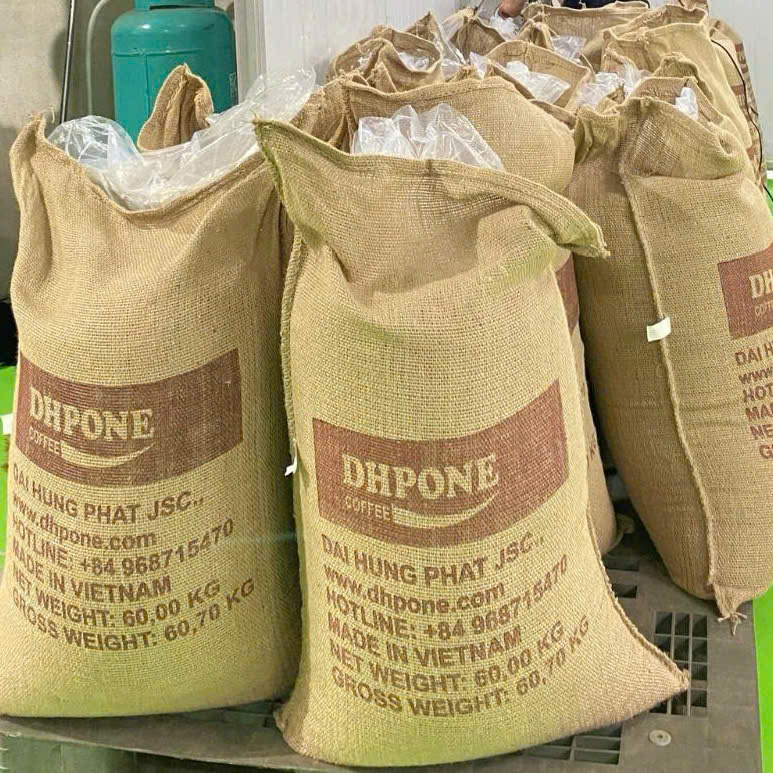
Image 2: Selective Harvesting Of Ripe Cherries Is The First Step Toward Premium Vietnamese Green Coffee Beans.
Natural, Washed And Honey Processing
After harvest, cherries are processed within hours to avoid uncontrolled fermentation. In the natural method, whole cherries are dried with the fruit intact, giving heavier body, ripe-fruit sweetness and lower acidity; it is the most common choice for Vietnamese Robusta. In the washed method, skin and pulp are removed, the beans are fermented to loosen mucilage, washed and dried, producing a cleaner, brighter cup, especially favored for Arabica. In the honey method, part of the mucilage remains during drying, which creates balanced sweetness with more clarity than natural. Each style requires its own know-how, and the right choice depends on the flavor profile and price level the buyer wants.
Drying, Resting, Hulling And Polishing
Drying is slow, careful work. Coffee is spread thinly on clean patios, raised beds or drying mats and turned frequently so that it dries evenly without mold or rain damage. After drying, coffee usually rests for a period so moisture equalizes inside the beans. It is then hulled to remove parchment or dried fruit layers, and polished to clean the surface. Because poor drying is one of the leading causes of off-flavors, a professional Premium Vietnamese Green Coffee Beans supplier monitors moisture closely at each stage and refuses to mix questionable lots into good ones.
High Quality Robusta For Export: Profile, Grades And Uses In Premium Vietnamese Green Coffee Beans
Flavor And Character Of Vietnamese Robusta
Vietnamese Robusta, grown mainly in Dak Lak, Gia Lai, Dak Nong, Kon Tum and Lam Dong, is known for a strong body, low acidity, high caffeine and thick crema. Typical notes include dark chocolate, cocoa, roasted nuts, toasted grain and a gentle earthiness. When processed with care, a cleaner and sweeter expression emerges, which some roasters call fine Robusta. The beans are round and small, with a straight center cut, and they contain roughly 2.2 to 2.7 percent caffeine. These qualities explain why Robusta is the foundation of so many espresso blends and strong traditional coffees.
Common Robusta Grades And Specifications
Robusta for export is usually specified by screen size, with Screen 13 and Screen 16 being very common, and by defect level, with Grade 1 and Grade 2 reflecting the allowed percentage of black and broken beans. Grade 1 is often described at around 2 to 3 percent black and broken, while Grade 2 allows about 5 percent, though the exact figures are agreed in each contract. Moisture is typically limited to 12.5 percent, and foreign matter is kept to about 0.5 percent or lower. Washed and wet-polished Robusta, with tighter control and different processing, is also available for buyers who want cleaner cups.
Best Uses For Robusta Green Coffee
Robusta is a workhorse. It is used for espresso blends, where it adds body and crema; for instant coffee and 3-in-1 sachets, where its extraction yield and strong flavor are valuable; for ready-to-drink beverages; and for traditional Vietnamese phin coffee, where bold, bitter and chocolatey flavors match local taste. Many roasters also blend a proportion of Robusta into Arabica to adjust strength and cost. Choosing the right grade for each use is part of the service a good supplier of Premium Vietnamese Green Coffee Beans should provide.
High Quality Arabica For Export: Origins, Flavor And Uses In Premium Vietnamese Green Coffee Beans
Where Vietnamese Arabica Grows
Arabica prefers cool, high-altitude conditions, so Vietnamese Arabica comes mainly from Lam Dong, including Cau Dat, Lam Ha and Da Lat, from Son La and Dien Bien in the northwest, and from Khe Sanh and Huong Hoa in Quang Tri. Varieties include Catimor, Bourbon, Typica and other selections, and farmers and cooperatives are increasingly focused on selective picking and carefully controlled processing. This shift is raising the quality ceiling of Vietnamese Arabica year after year.
Taste Notes And Cup Profile
Vietnamese Arabica generally offers a sweet, balanced cup with caramel, milk chocolate, almond and soft stone-fruit notes, medium acidity and a smooth finish. Washed lots show clarity and brightness, naturals offer more fruit and body, and honey lots sit between the two. Beans are longer than Robusta, with a curved center cut and lower caffeine, around 1.2 to 1.5 percent. Specialty-grade lots, scoring 80 points or more under a standard cupping protocol, are available in limited quantities with traceability details.

Image 3: Uniform Size And Clean Color Are Signs Of Premium Vietnamese Green Coffee Beans.
Best Uses For Arabica Green Coffee
Arabica is ideal for pour-over, filter, cold brew and premium espresso, and for blends where aroma and sweetness are priorities. Cafés and roasters use Vietnamese Arabica as a house coffee, a single-origin feature or a component in signature blends. Because it often offers excellent value compared with more famous origins, it is attractive for roasters who want to diversify their menu without raising costs sharply.
Quality Standards Behind Premium Vietnamese Green Coffee Beans For Export
Key Specifications To Put In Every Contract
A clear specification protects both buyer and seller. At minimum, include the items below:
- Species And Variety: Robusta, Arabica or a specified blend.
- Crop Year And Origin: Harvest season and growing region.
- Screen Size: Target size and tolerance.
- Defect Limits: Maximum black and broken beans and other defects.
- Moisture: Typically a maximum of 12.5 percent.
- Foreign Matter: Commonly 0.5 percent or less.
- Processing Method: Natural, washed, honey or wet-polished.
- Packing: Bag type, weight, liners and marking.
Visual Inspection, Sorting And Sampling
Quality control combines machines and human eyes. Screen graders separate beans by size, gravity tables and air flow remove light or damaged beans, electronic color sorters reject discolored defects, and trained workers hand-pick what remains. Samples are drawn from the finished lot using a consistent method, then checked for size distribution, defect count, moisture and appearance. Staff often wear gloves and handle samples on clean surfaces to prevent contamination, and retained samples are sealed and labeled for future reference. This disciplined routine is what separates a true Premium Vietnamese Green Coffee Beans supplier from a trader who simply passes bags along.
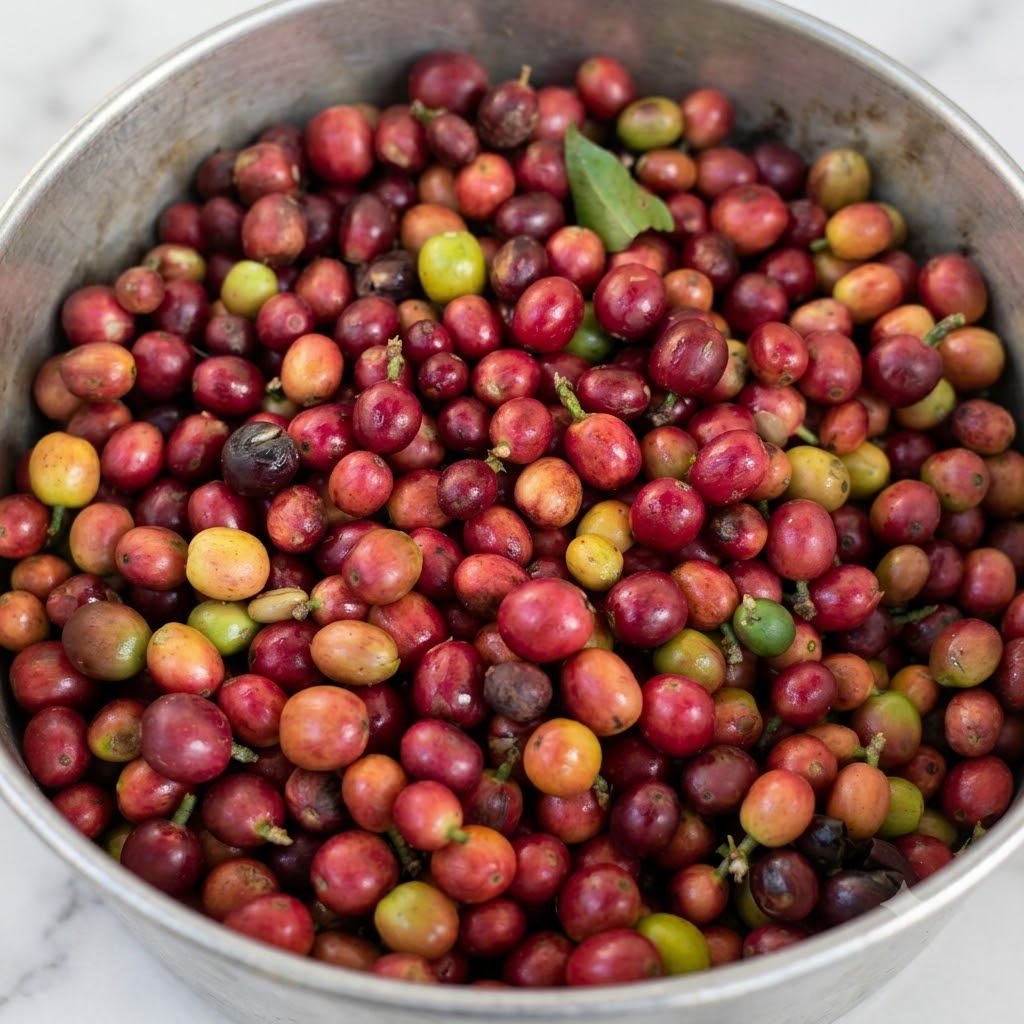
Image 4: Hand Inspection And Sampling Help Guarantee The Quality Of Premium Vietnamese Green Coffee Beans – High Quality Robusta & Arabica For Export.
Cupping, Roast Testing And Independent Inspection
Numbers describe a coffee only partly. Sample roasting and cupping reveal flavor, sweetness, body, balance and any hidden defects. Buyers should cup the offer sample, then the pre-shipment sample, and later the arrival sample, comparing all three with the approved reference. For larger contracts or letter-of-credit transactions, independent inspection companies can verify quality, weight, packing and container loading and issue certificates. Welcoming such checks is a sign that the exporter stands behind its coffee.
Packaging, Storage And Shipping Of Premium Vietnamese Green Coffee Beans
Jute Bags, Liners And Special Packaging
The traditional package is a new jute bag of about 60 kilograms, which protects the beans while allowing them to breathe. PP bags are also used. For premium and specialty lots, inner liners such as GrainPro or vacuum packs help limit moisture exchange and oxygen exposure, preserving flavor on long voyages and during storage. Bags can be marked with brand, origin, grade, weight and lot number according to buyer requirements, which also helps with traceability and warehouse organization.
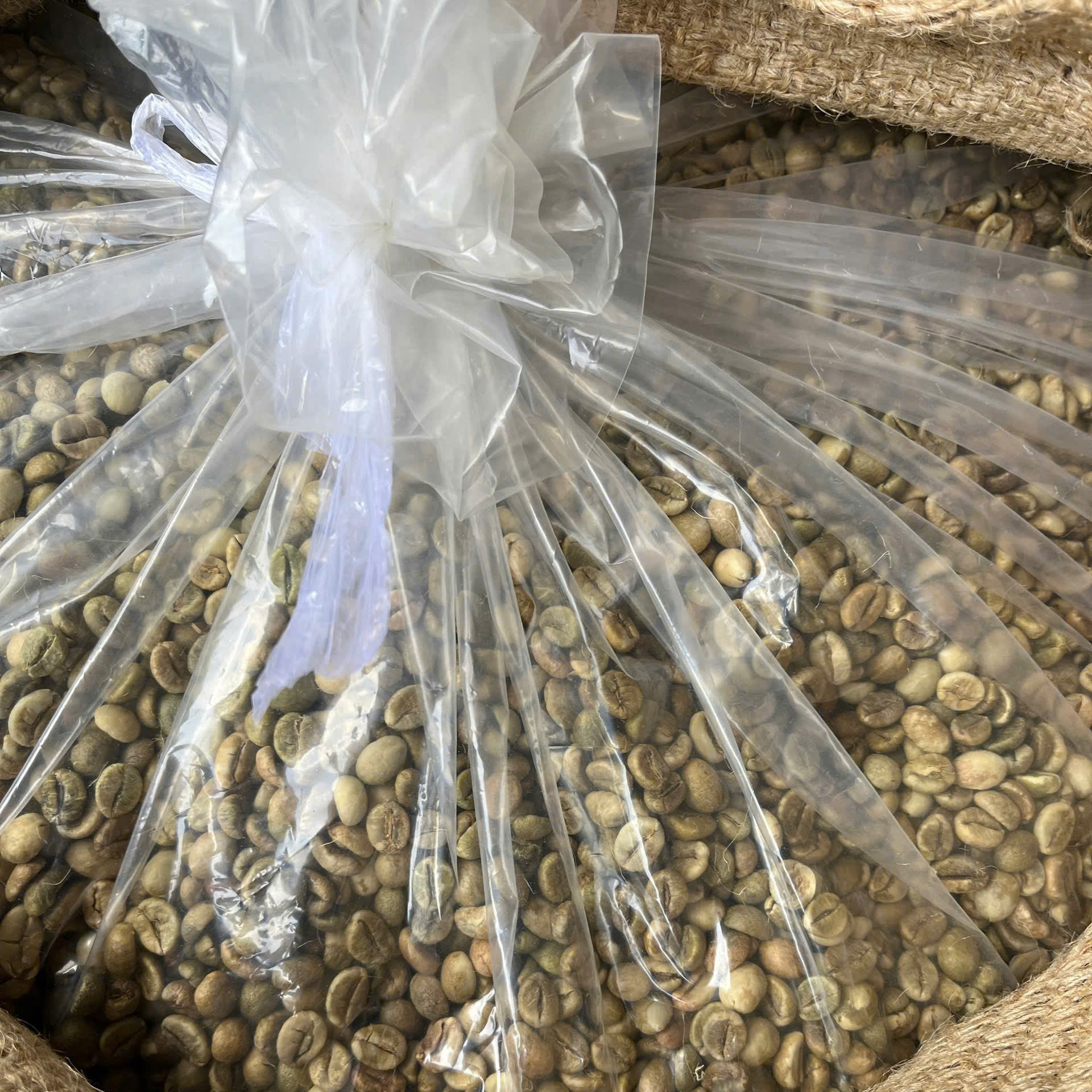
Image 5: Jute Bags Protect Premium Vietnamese Green Coffee Beans During Storage And Ocean Transport.
Container Loading And Moisture Protection
Before loading, containers are checked for cleanliness, dryness, odor, holes and structural condition. Kraft paper or cardboard lining and moisture-absorbing materials can reduce condensation risk during the voyage. A 20-foot container typically carries about 18 to 19.2 metric tons in bags, and bulk liners are an option for high-volume buyers. Careful stacking and bracing protect the cargo during handling and transport, and the seal number is recorded so the buyer can verify it on arrival.
Export Documents, Trade Terms And Arrival Storage
Typical documents include the commercial invoice, packing list, bill of lading, certificate of origin and phytosanitary certificate, with additional quality, weight or fumigation certificates when required. Common trade terms are FOB, CFR and CIF, and payment is usually by telegraphic transfer or letter of credit. After arrival, store the coffee in a cool, dry, ventilated place on pallets, away from strong odors and sunlight, and use first-in, first-out rotation. With correct handling, Premium Vietnamese Green Coffee Beans retain their quality for many months.
Supply Programs For Premium Vietnamese Green Coffee Beans Buyers
Starting With Samples And Trial Orders
The safest way to begin is with samples, followed by a trial order if possible. Samples let you check size, defects, aroma and cup quality; a trial order tests communication, documents and logistics at lower risk. Agree on a written specification, keep an approved reference sample, choose a secure payment method and consider independent inspection. A positive first experience builds the trust needed for larger, repeat business.
Regular Container Programs And Forward Planning
Once you are comfortable, regular programs, such as one container per month or per quarter, make planning easier. They help reduce stockouts, stabilize roasting schedules and allow better negotiation. Share forecasts openly so the supplier can plan sourcing, and agree on delivery months, quality tolerances and the process for handling differences. A reliable supplier of Premium Vietnamese Green Coffee Beans will treat forecasts as a partnership tool, not a pressure tactic.
Custom Blends And Private Label Projects
Some customers want a signature green blend, for example Robusta from one region with Arabica from another, in a defined ratio. Others want finished products such as roasted, ground or instant coffee under their own brand. A capable exporter can propose blends, send samples for approval and coordinate private-label production with trusted partners. Discuss your target flavor, volume, packaging and market early so the project is realistic and on time.
Who Buys Premium Vietnamese Green Coffee Beans And Why
Specialty Roasters And Café Brands
Roasters buy for flavor, consistency and story. They want clean cups, traceability and the flexibility to buy in smaller lots. Vietnamese Arabica and carefully processed Robusta give them new options for menus, blends and limited editions, often at attractive value.
Instant Coffee, Ready-To-Drink And Food Manufacturers
Industrial buyers prioritize yield, consistency, cost and on-time delivery. Robusta with controlled moisture and low defects supports efficient extraction, and large container volumes keep unit costs competitive. Because a quality problem can stop a production line, these customers value strict pre-shipment testing and reliable schedules.
Traders, Distributors And Importers
Traders and importers look for dependable specifications, clear documentation and steady supply so they can serve their own customers. They benefit from suppliers that communicate quickly, share crop information and help plan shipment timing around market needs.
Why Choose Đại Hung Phat For Premium Vietnamese Green Coffee Beans
Quality-First Selection And Honest Communication
Đại Hung Phat is based in Ho Chi Minh City, close to the ports, mills and logistics partners that support coffee export. We believe a good supplier begins by listening. We ask about your market, roast profile, volume and timing, then propose suitable lots, send samples and keep every specification in writing. If a lot does not fit your needs, we say so. This honest approach is how we build trust in every Premium Vietnamese Green Coffee Beans inquiry.
Flexible Cooperation For Every Stage Of Growth
Whether you are testing a new origin, scaling a roastery or running a large manufacturing line, we adapt to your stage. We support sample requests, trial orders, regular programs, custom blends and private-label projects, and we welcome feedback after every shipment so the next lot can be even better matched to your needs. Our goal is a long-term partnership built on consistent quality and dependable service.
Frequently Asked Questions About Premium Vietnamese Green Coffee Beans
What Are Premium Vietnamese Green Coffee Beans?
They are unroasted Robusta or Arabica beans from Vietnam that meet tight specifications for size, defects, moisture and cup quality, and are supported by samples and documentation.
What Is The Difference Between Robusta And Arabica?
Robusta has more caffeine, stronger body, lower acidity and thick crema, while Arabica is sweeter, more aromatic and has gentle acidity. Many roasters use both, depending on the product.
Which Screen Sizes And Grades Are Available?
Common options include Screen 13 and 16 for Robusta and Screen 16 and 18 for Arabica, with different defect grades. Exact availability depends on crop year and supplier.
What Is The Standard Moisture Level?
Usually around 12.5 percent or lower. The exact limit is set in the contract and checked before loading.
Can I Get Samples Before Ordering?
Yes. Samples are recommended so you can check bean size, defects, aroma and cup quality. Contact Đại Hung Phat to arrange them.
How Are The Beans Packed For Export?
Typically in new 60-kilogram jute or PP bags, with optional GrainPro or vacuum liners for premium lots, loaded into clean, dry containers.
Do You Support Custom Blends And Private Label?
Yes, in many cases. Share your flavor goals, ratios, volumes and packaging needs, and we will propose options and samples.
How Do I Start Importing Premium Vietnamese Green Coffee Beans?
Send an inquiry with your species, grade, volume, timing and destination. Review samples and offers, confirm the specification and terms in writing, consider a trial order, and plan shipment with your supplier.
Order Premium Vietnamese Green Coffee Beans From Đại Hung Phat Today
Ready to see the difference that careful selection makes? Contact Đại Hung Phat today to request samples, discuss grades and receive a clear quotation for Premium Vietnamese Green Coffee Beans – High Quality Robusta & Arabica For Export. Visit dhpone.com and follow our social channels for product updates, market news and new arrivals.
Contact Information – Dai Hung Phat Company
Hotline: +84 (28) 668 412 03 and +84 (28) 668 412 04
Email: sales02@dhptrans.com | sales01@dhptrans.com
Address: Gia Hoi Building - 725/21 Truong Chinh Street, Tay Thanh Ward, Ho Chi Minh City, Vietnam.
Tax ID: 0312386976
Phone: Zalo / Viber / WhatsApp +84 96 454 1249
Website: https://dhpone.com/
Fanpage: Facebook | TikTok: DHP One Coffee | YouTube: @dhponecoffee
LinkedIn: Tina Trinh | Alibaba: Dai Hung Phat | Instagram: @dhpone_coffee
Map: View On Google Maps
#PremiumVietnameseGreenCoffeeBeans #HighQualityRobusta #HighQualityArabica #GreenCoffeeForExport #VietnamCoffee #GreenCoffeeBeans #DaiHungPhat #CoffeeExport


