


Coffee Exporter Vietnam
From Highland Farms To Your Roastery – Origins, Grades And Services By Đại Hung Phat
Every coffee has a story, and in Vietnam that story is told across red volcanic plateaus, misty mountain slopes and family farms that have been passed from one generation to the next. The beans that leave these highlands travel through mills, warehouses, ports and oceans before they reach a roaster's drum or a manufacturer's extraction line. The company that guides them along that journey is the Coffee Exporter Vietnam buyers choose to trust, and the quality of that partnership can shape the quality of every cup you eventually sell.
In this article, Đại Hung Phat takes a different route from a standard supplier brochure. We map the flavor of each growing region, explain the difference between commercial and specialty grades, describe what a professional Coffee Exporter actually does inside the mill, show how solutions differ for roasters, café chains and manufacturers, and outline market-by-market expectations and common challenges. Use it as a practical reference when you evaluate suppliers and plan your next purchase.
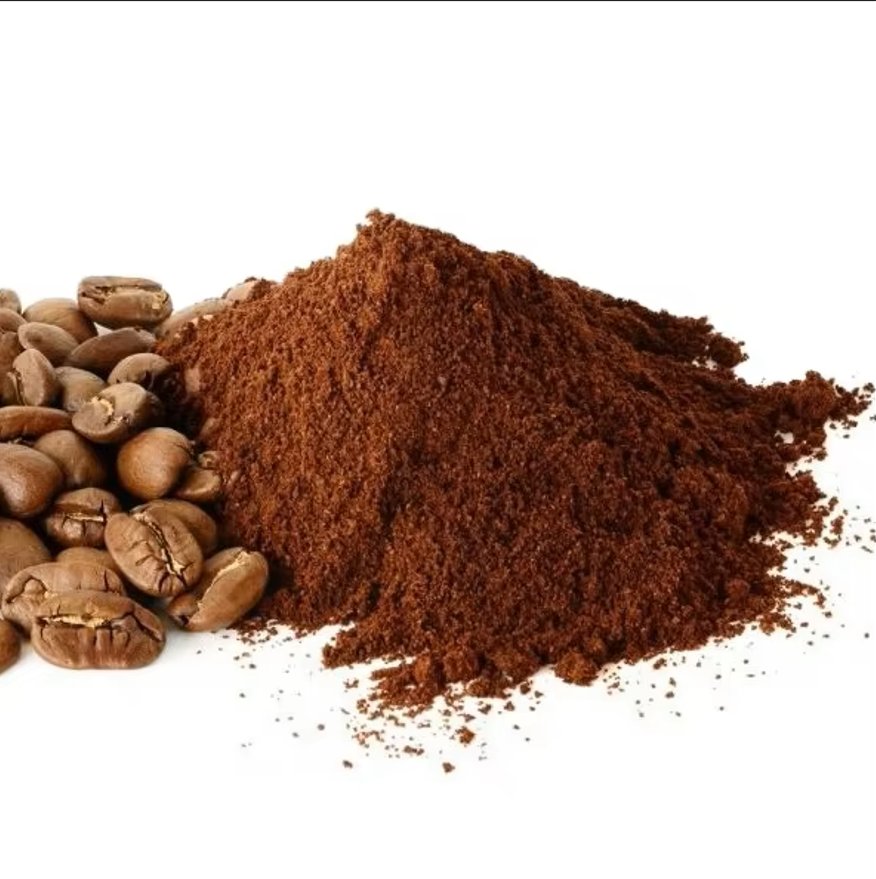
Image 1: Highland Farms Are Where Every Coffee Exporter Vietnam Story Begins.
What Makes A Coffee Exporter Vietnam Stand Out
Origin Diversity Within One Country
Few countries offer such different growing conditions within a single border. In the Central Highlands, Robusta thrives in basalt soil under a pronounced dry season. In the cooler highlands of Lam Dong, Arabica ripens slowly at altitude. In the northwest and the central region, smaller communities produce Arabica with their own traditions. For a buyer, this means that one capable Coffee Exporter can offer lots with varied flavor, body and price, making it easier to build blends or add new single-origin options without opening accounts with several countries.
A Service Culture Built Around Buyers
Technical knowledge is only half of the equation. The best exporters also treat communication as part of the product. They respond to inquiries quickly, send clear offers, ship samples without delay, and explain problems before they become claims. When you evaluate a Coffee Exporter Vietnam, pay attention to how it behaves before you buy. The way a supplier handles your questions during negotiation is usually the way it will handle your shipment.
Origin Map: Flavors Offered By A Coffee Exporter In Vietnam
Dak Lak And Gia Lai: Bold Robusta Heartland
Dak Lak, with Buon Ma Thuot at its center, and neighboring Gia Lai are the engine of Vietnamese Robusta. Cups from these areas are typically full-bodied, with notes of dark chocolate, cocoa, roasted nuts and a gentle earthiness. When processed carefully, they can show a clean sweetness that surprises roasters who expect only bitterness. These origins supply a large share of the coffee used in espresso blends, instant coffee and strong traditional brews, and a seasoned Coffee Exporter Vietnam can recommend lots according to defect level, moisture and process.
Lam Dong: Cool Highlands, Aromatic Arabica And Robusta
Lam Dong, home to Da Lat, Cau Dat and Lam Ha, is the best-known Arabica region of Vietnam, and it also grows Robusta at lower elevations. Arabica here often shows caramel, milk chocolate, almond and soft fruit, with balanced acidity and a smooth finish. Varieties such as Catimor, Bourbon and Typica are cultivated, and an increasing number of producers are experimenting with washed, honey and natural fermentation techniques. A good Coffee Exporter will tell you the altitude, variety and process of each lot instead of offering a vague description.
Son La, Dien Bien And Quang Tri: Emerging Arabica Origins
In the northwest, Son La and Dien Bien produce Arabica in mountainous terrain, often by smallholders and cooperatives who focus on careful picking and washed processing. In the central region, Quang Tri's Khe Sanh and Huong Hoa areas have long grown Arabica as well. Flavors range from sweet and nutty to bright and floral, depending on the farm and process. These origins add variety for roasters who want a story, and a forward-looking Coffee Exporter Vietnam will help you discover small lots that match your menu.
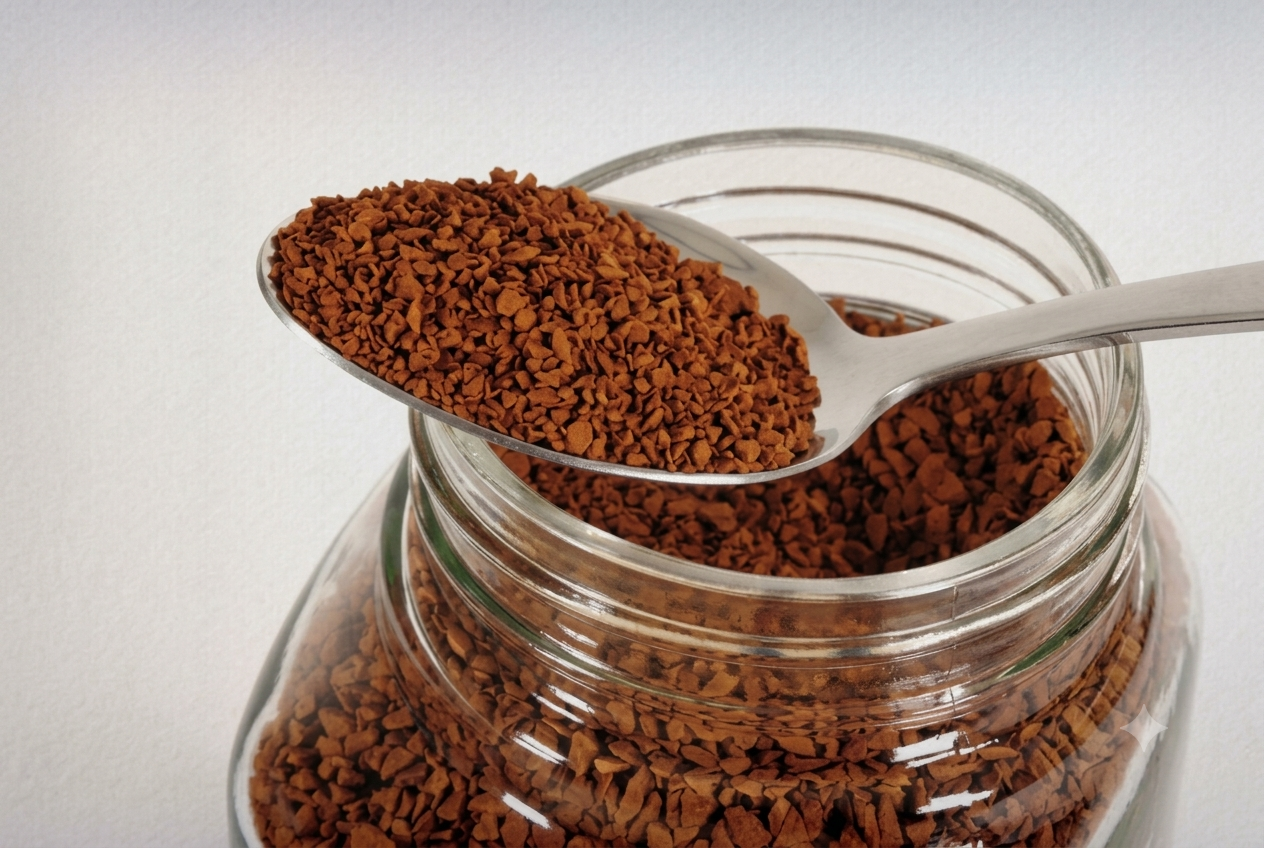
Image 2: Regional Flavor Differences Guide How A Coffee Exporter Recommends Each Lot.
Commercial Vs Specialty Grades From A Coffee Exporter Vietnam
Commercial Grade: Volume, Consistency And Cost Control
Commercial grades are defined mainly by physical specifications such as screen size, moisture, black and broken percentage and foreign matter. They are designed for buyers who need dependable volume at a controlled price, such as large roasters and instant-coffee factories. The goal is consistency rather than uniqueness. A reliable Coffee Exporter ensures that each shipment matches the approved sample and the contract tolerance, so your production lines run without surprises.
Specialty And Fine Robusta: Flavor-Driven Lots
Specialty lots are evaluated mostly by cup quality, with scores of 80 points or more for Arabica considered specialty level. In Vietnam, there is also growing interest in fine Robusta, a category emphasizing clean fermentation, careful drying and low defects, producing sweeter and more balanced cups. These lots are smaller, cost more and are usually accompanied by more traceability data. If your brand is built on flavor and story, ask your Coffee Exporter Vietnam contact for sample sets and farm information.
How To Decide Which Grade Fits Your Business
Start with your end product. If the coffee will be blended with milk, sugar and flavors, a strong commercial grade is often the smartest choice. If it will be served as a black single-origin filter or a premium espresso, higher-grade lots may be worth the extra cost. Consider your customers, price positioning and volume. Many roasters use both: a dependable commercial base for their main blend and a specialty lot for a limited-edition range. A transparent Coffee Exporter will help you find that balance rather than push the most expensive option.
Solutions By Customer Type From A Coffee Exporter Vietnam
Independent Roasters And Specialty Cafés
Independent roasters typically need smaller volumes, higher quality and stories they can tell customers. They benefit from sample sets, flexible lot sizes, traceability details and clear descriptions of process and variety. A supportive Coffee Exporter Vietnam will also share roasting suggestions and help consolidate shipments to keep freight efficient.
Café Chains, Distributors And Traders
For chains and distributors, consistency and delivery reliability are the priorities. They need stable specifications, predictable monthly volumes and clear communication on shipment timing. Contract structures such as quarterly programs, standing quality references and fixed documentation formats make internal planning easier. An organized Coffee Exporter will build processes around these needs instead of treating every order as a one-off.
Instant Coffee And Ready-To-Drink Manufacturers
Industrial manufacturers focus on yield, solubility and cost. Robusta with controlled moisture and low defects is ideal for extraction, and large container volumes keep unit costs competitive. Because a batch problem can stop an entire factory shift, these buyers often require strict pre-shipment testing and on-time delivery guarantees. A dedicated Coffee Exporter Vietnam understands that raw material reliability is critical and plans loading dates accordingly.
Image 3: A Flexible Coffee Exporter Vietnam Adapts To Roasters, Cafés And Factories.
Market Requirements Explained By A Coffee Exporter In Vietnam
Europe: Documentation And Due Diligence
European buyers often emphasize documentation, traceability and compliance. Expect questions about origin, farming practices, sustainability programs and sometimes regulatory due diligence, which can change over time, so check the latest rules with your importer or advisor. Quality expectations are high, and many buyers use independent cupping and laboratory checks. A prepared Coffee Exporter Vietnam keeps organized records so that information can be provided quickly.
Middle East And Africa: Strong Demand For Bold Flavors
Many Middle Eastern and African markets favor strong, aromatic coffee and buy in large volumes for roasting, blending and instant products. Price competitiveness, reliable scheduling and flexible packaging matter. Some customers prefer particular bag sizes or marking requirements, and an attentive Coffee Exporter will incorporate these details into the contract and packing plan.
Asia Pacific: Fast Growth And Fast Delivery
Coffee consumption is growing quickly across Asia, driven by urban lifestyles, café culture and new retail formats. Transit times from Vietnam are shorter, which allows more frequent, smaller shipments and faster restocking. Many buyers here also request roasted and instant products alongside green beans. A responsive Coffee Exporter Vietnam can support this fast-moving environment with quick sampling and flexible logistics.
The Americas And Oceania: Quality And Variety
Buyers in North America, Latin America and Oceania often look for variety, such as Arabica for specialty menus and Robusta for blends, with attention to defects and cup quality. Regulatory and labeling requirements vary by country, so it is wise to confirm import rules early. An experienced Coffee Exporter will help you prepare the right documents and choose realistic shipment schedules.
Inside The Mill: How A Coffee Exporter Vietnam Prepares Your Lot
Receiving, Moisture Testing And Resting
Preparation starts when dried coffee arrives at the mill. Incoming lots are sampled, and moisture, appearance and smell are checked. Coffee that is too wet is dried further, and suspect lots are separated. After checking, coffee may rest in clean, ventilated storage so that moisture equalizes inside the beans, which supports stable quality during transport. A disciplined Coffee Exporter Vietnam refuses to blend questionable lots into good ones just to fill a container.
Hulling, Polishing, Grading And Color Sorting
Hulling removes parchment or dried fruit layers, and polishing cleans the surface of the beans. Screens separate sizes, air and gravity equipment remove light or damaged beans, and electronic color sorters eliminate discolored defects. Finally, trained workers hand-pick remaining defects. Each step reduces the defect count and improves uniformity, which is vital for even roasting. These operations explain why the final product from a professional Coffee Exporter looks and cups better than raw mill-run coffee.
Blending, Lot Tracking And Final Sampling
When a contract requires a specific profile, lots from different sources can be blended in controlled proportions to reach a target specification. Each lot is labeled and recorded so that it can be traced. Before loading, representative samples are drawn from the finished coffee, tested and sealed. One sample goes to the buyer, one stays with the exporter and a third may be kept for arbitration. This system gives both sides a clear reference in case of questions, and it is a hallmark of a serious Coffee Exporter Vietnam.
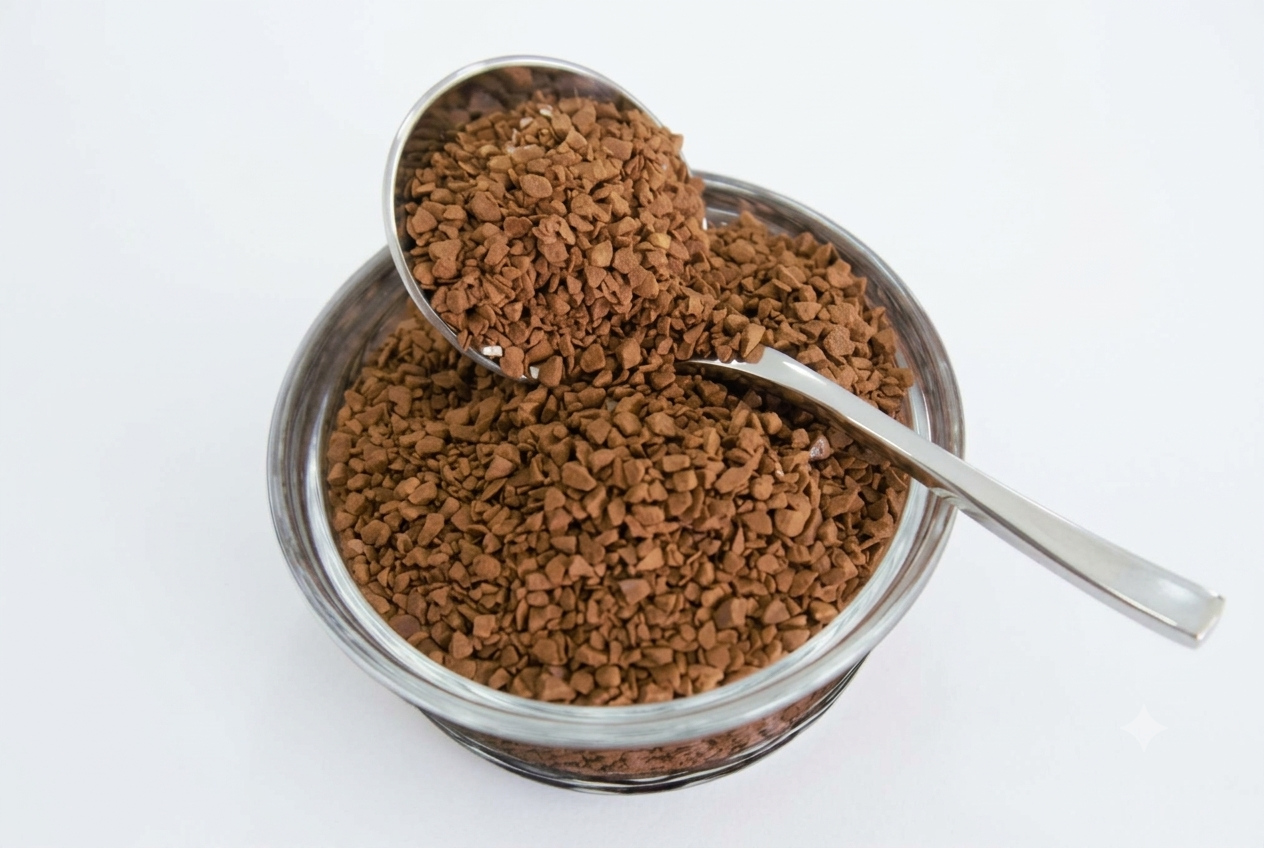
Image 4: Sorting, Grading And Sampling Inside The Mill Of A Professional Coffee Exporter Vietnam.
Private Label And Value-Added Services By A Coffee Exporter Vietnam
Custom Green Blends For Your Signature Taste
If you want a signature blend without managing several suppliers, a capable exporter can prepare green blends in agreed ratios, such as Robusta from one region with Arabica from another. Samples can be adjusted until the profile fits your roast style and price target. This approach saves time for roasters and gives brands a consistent flavor that is difficult for competitors to copy.
Roasted, Ground And Instant Coffee Programs
Some customers prefer to buy finished coffee. Many exporters coordinate roasted whole bean, ground coffee, instant coffee and 3-in-1 sachets from trusted partner factories under OEM or private-label arrangements. This is attractive for importers who want to launch a retail brand quickly without investing in production equipment. Ask your Coffee Exporter what options exist and what minimum quantities apply.
Packaging, Marking And Labeling Support
Packaging is more than a bag. Marking requirements, bag weight, printed information, pallet layout and container loading plans can all be customized. For finished products, labels must follow the rules of the destination country. A helpful Coffee Exporter Vietnam will confirm these details in advance to avoid delays at customs or on the shelf.
Common Challenges And How A Coffee Exporter Solves Them
Crop Variation And Weather Risk
No two harvests are identical. Rain during drying, drought during flowering or pest pressure can change yield and quality. A capable Coffee Exporter Vietnam spreads sourcing across several areas, monitors conditions and informs buyers early about expected changes, so that you can adjust plans or approve alternative lots in time.
Shipping Delays And Freight Fluctuation
Port congestion, vessel changes and seasonal freight peaks can affect delivery. Booking early, working with reliable forwarders and communicating schedule changes quickly reduce the damage. Buyers can help by confirming specifications and documents promptly. When both sides cooperate, a Coffee Exporter can keep disruptions manageable even in difficult periods.
Quality Claims And Fair Resolution
Even careful suppliers can face disagreements. The fastest path to resolution is a clear contract, retained samples and documented tests. Buyers should report issues promptly with photos, lab results and arrival samples. A professional Coffee Exporter Vietnam reviews the evidence, discusses solutions fairly and focuses on preserving the long-term relationship rather than winning an argument.
Why Đại Hung Phat Is A Coffee Exporter Vietnam Buyers Trust
Listening First, Offering Second
Đại Hung Phat works from Ho Chi Minh City, close to the ports and partners that make export smooth. Our approach is simple: understand your business first. We ask about your customers, roast profile, volumes and schedule, and then recommend origins, grades and terms that fit. We would rather lose a sale than sell you a coffee that does not match your needs, because long-term trust matters more to us than a single invoice. That is what we strive to deliver as your Coffee Exporter Vietnam.
Support From First Sample To Repeat Orders
We support new customers with samples and trial orders, and established customers with regular shipments and program planning. After each delivery, we ask for feedback, so we can refine the next lot. For customers who want custom blends or private-label products, we coordinate with trusted partners and keep communication simple. As a Coffee Exporter, we measure our success by how many customers come back.
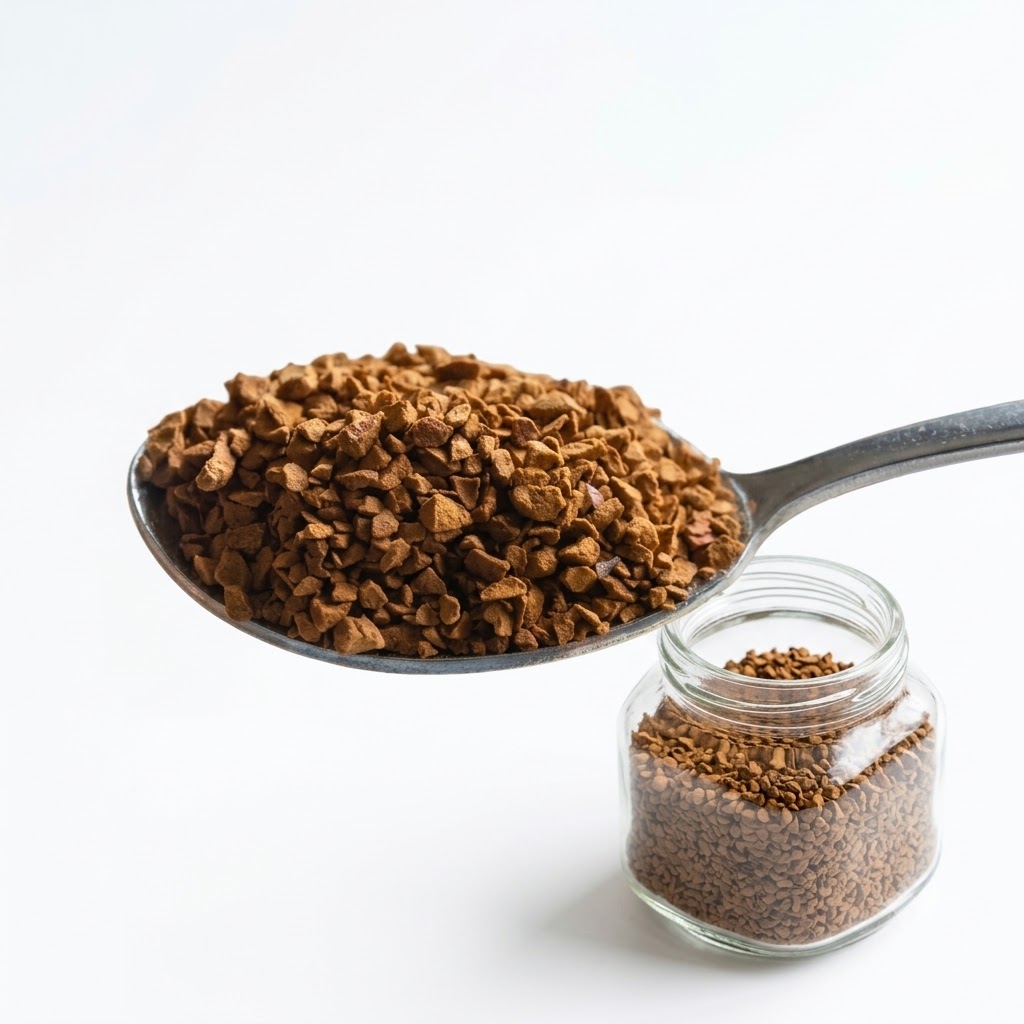
Image 5: The Đại Hung Phat Team, A Dedicated Coffee Exporter Vietnam, Preparing A Customer Shipment.
Trends Shaping The Future Of Coffee Exporter Vietnam Business
Quality Upgrading And Fine Robusta Recognition
Vietnam's industry is steadily moving from volume toward quality. Investments in better harvesting, fermentation control and drying are raising standards, and fine Robusta is gaining attention among roasters worldwide. Buyers who start building relationships with quality-minded exporters now may benefit from early access to improving lots. A modern Coffee Exporter must invest in both farmers and processing to keep up.
Digital Communication, Transparency And Sustainability
Buyers now expect fast digital communication, photos and videos of lots, organized documents and transparent traceability information. Sustainability expectations, from responsible farming to climate adaptation, continue to influence purchasing decisions. Exporters that embrace these trends can differentiate themselves in a competitive field. As a Coffee Exporter Vietnam, we are committed to clear, timely and honest information at every stage.
Frequently Asked Questions About Coffee Exporter Vietnam
Which Region Produces The Best Coffee For Export?
It depends on your needs. Dak Lak and Gia Lai are strong for Robusta, while Lam Dong, Son La and Quang Tri are known for Arabica. A knowledgeable Coffee Exporter Vietnam can match the region to your flavor and budget goals.
What Is The Difference Between Commercial And Specialty Coffee?
Commercial coffee is graded mainly on physical specifications and consistency, while specialty coffee is evaluated on cup quality and traceability. Specialty lots are usually smaller and more expensive.
Can A Coffee Exporter Supply Samples Of Different Origins?
Yes. Many exporters can prepare sample sets from different regions and processes, helping you compare flavor and quality before choosing a lot.
How Does A Coffee Exporter Vietnam Ensure Consistent Quality?
Through careful sourcing, moisture control, multi-stage sorting, lot tracking, final sampling and optional independent inspection, so that each shipment matches the approved sample and contract specifications.
Do You Offer Custom Blends And Private Label Programs?
Yes. Đại Hung Phat can discuss custom green blends and coordinate roasted, ground or instant coffee programs with trusted partners. Share your target flavor, volume and packaging needs for a tailored proposal.
What Documents Will I Receive With My Shipment?
Typically the commercial invoice, packing list, bill of lading, certificate of origin and phytosanitary certificate, plus other documents your destination requires, such as quality or fumigation certificates.
What Should I Do If There Is A Quality Concern On Arrival?
Notify the supplier immediately with photos, test results and arrival samples. Refer to the contract and approved sample, and discuss a fair solution. Clear records make resolution faster for everyone.
How Do I Start Working With A Coffee Exporter In Vietnam?
Send an inquiry with your target market, preferred variety and grade, estimated volume and timing. Review offers and samples, confirm the contract and plan production and shipment with your chosen Coffee Exporter.
Start Your Order With Đại Hung Phat – Your Coffee Exporter Vietnam
Ready to taste the difference a dedicated partner can make? Contact Đại Hung Phat today to request samples, discuss origins and grades, and receive a clear quotation from a customer-focused Coffee Exporter. Visit dhpone.com and follow our social channels for product updates, market news and new arrivals.
Contact Information – Dai Hung Phat Company
Hotline: +84 (28) 668 412 03 and +84 (28) 668 412 04
Email: sales02@dhptrans.com | sales01@dhptrans.com
Address: Gia Hoi Building - 725/21 Truong Chinh Street, Tay Thanh Ward, Ho Chi Minh City, Vietnam.
Tax ID: 0312386976
Phone: Zalo / Viber / WhatsApp +84 96 454 1249
Website: https://dhpone.com/
Fanpage: Facebook | TikTok: DHP One Coffee | YouTube: @dhponecoffee
LinkedIn: Tina Trinh | Alibaba: Dai Hung Phat | Instagram: @dhpone_coffee
Map: View On Google Maps
#CoffeeExporterVietnam #CoffeeExporter #VietnamCoffee #FineRobusta #SpecialtyArabica #GreenCoffeeBeans #DaiHungPhat #CoffeeExport


