


Vietnamese Green Coffee Beans For Export
A Roaster's And Importer's Guide To Grades, Flavors, Packing And Supply From Đại Hung Phat
A roaster rarely falls in love with a spreadsheet. They fall in love with a coffee: the sweetness of a well-dried lot, the thick crema of a clean Robusta, the caramel finish of a highland Arabica. Yet before any of that can happen, a bag of unroasted seeds has to cross an ocean and arrive in good condition. That is the real work behind Vietnamese Green Coffee Beans For Export, and it is why understanding the product itself matters as much as understanding the price.
This guide from Đại Hung Phat is written for people who actually handle coffee: roasters, quality managers, importers and brand owners. It explains how to read grades and specifications, how Vietnamese beans behave in the roaster, what each processing style means for flavor, how Green Coffee Beans For Export are packed and preserved, how to run a smart sample and trial-order process, and what to check before you commit to a container.
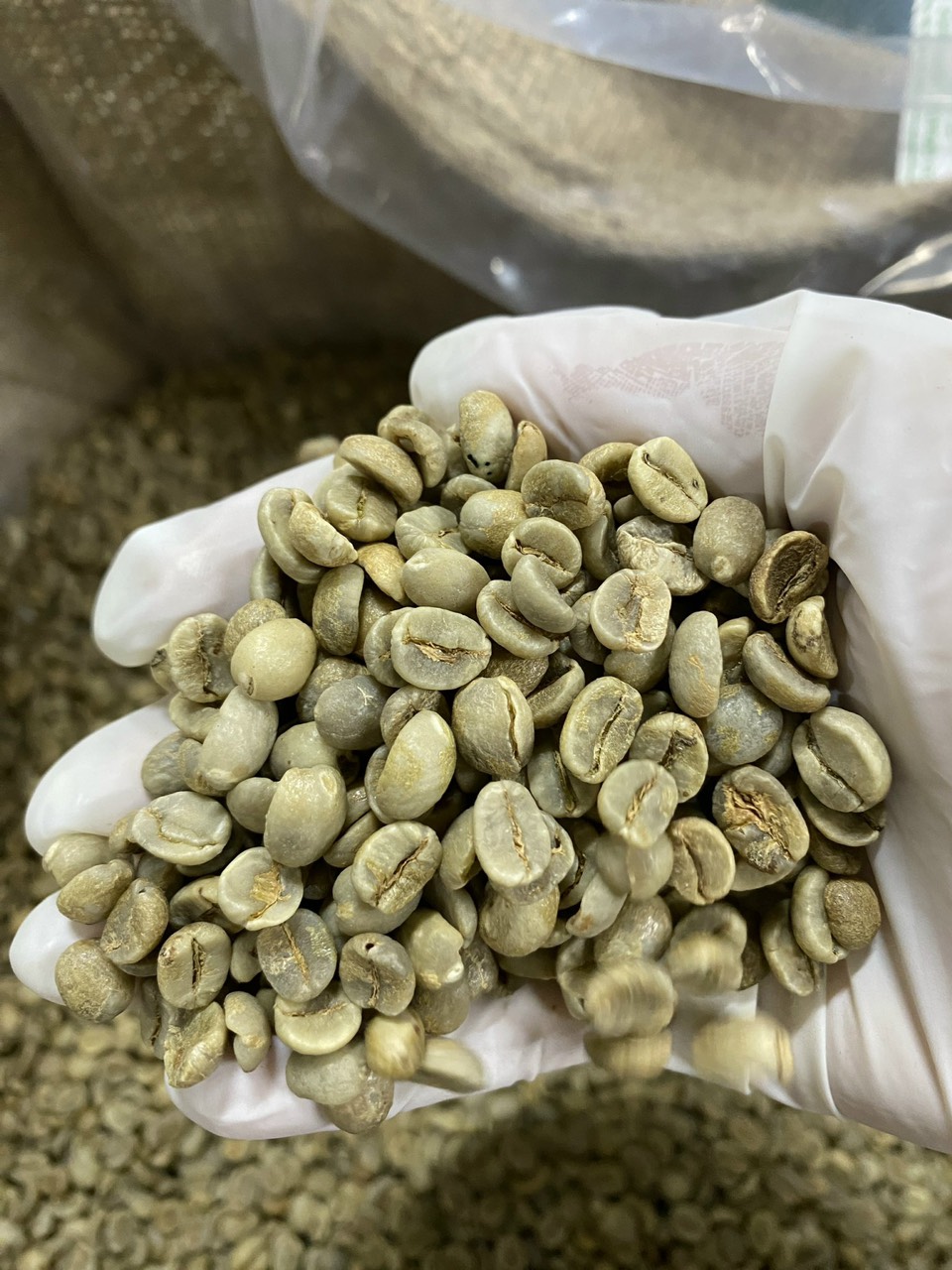
Image 1: Vietnamese Green Coffee Beans For Export Packed And Ready To Ship To Roasters Worldwide.
Overview Of Vietnamese Green Coffee Beans For Export
What Importers And Roasters Are Really Buying
When you purchase green coffee, you are buying potential. The beans are dense, stable and still full of the sugars, acids and aromatic precursors that will be transformed by heat. Vietnamese green coffee comes in two main species. Robusta, grown mainly in the Central Highlands, offers body, intensity and crema. Arabica, grown in cooler highlands such as Lam Dong, Son La and Quang Tri, offers sweetness, aroma and gentle acidity. Between them, Green Coffee Beans For Export from Vietnam can cover espresso blends, filter coffee, instant coffee, ready-to-drink products and specialty menus.
Seasonality And Availability Through The Year
Harvest in the Central Highlands usually starts around October or November and continues through January, after which coffee is dried, hulled and sorted for shipment. New-crop supply is therefore strongest in the first months of the year, while later in the season buyers rely on stocks held by mills and traders. Freshness matters, especially for specialty lots, so many roasters time their purchases to receive new crop and plan consumption over the following months. Discuss crop year and expected availability with your supplier at the start of any Vietnamese Green Coffee Beans For Export program.
Quality Grades Of Green Coffee Beans For Export Explained
Screen Size, Defects And Foreign Matter
Screen size indicates bean size: a higher screen number means larger beans, and a tight distribution means more even roasting. Defects include black, sour, broken, insect-damaged, moldy, immature and shell beans, and each affects the cup differently. Foreign matter, such as stones, sticks and husk, must stay minimal to protect equipment and flavor. Contracts typically state the percentage of beans above a given screen, the allowed level of black and broken beans, and the maximum foreign matter, for example around 0.5 percent. Make sure every figure is written down and agreed with the supplier of Vietnamese Green Coffee Beans For Export.
Moisture, Density And Storage Stability
Moisture content is the most important stability indicator. Coffee with moisture around 12.5 percent or lower generally stores and ships well, while higher values raise the risk of mold and flavor decline. Roasters also look at bean density, which affects how the coffee absorbs heat, and some measure water activity for more precise control. Moisture should be measured at the mill, checked again before loading, and confirmed on arrival. Stable moisture is a sign of proper drying and careful handling at every stage.
Cup Quality And Specialty Scoring
Physical grading tells you how clean the coffee is; cupping tells you how it tastes. Specialty-grade lots are generally those scoring 80 points or more on a standard protocol, while commercial lots are judged mostly on consistency and absence of defects. Ask for sample roasts, cupping notes and, if available, farm and process data. A supplier that can describe a lot clearly, including altitude, variety and processing method, usually understands the coffee well. This transparency is a key feature of high-quality Green Coffee Beans For Export.

Image 2: Screen Size, Defect Count And Moisture Define The Grade Of Green Coffee Beans For Export.
Roasting Vietnamese Green Coffee Beans For Export Successfully
Approaching Robusta In The Roaster
Robusta is typically denser and lower in sugars than Arabica, and it carries more chlorogenic acids that can turn harsh if under-developed. Many roasters therefore give Robusta enough development time to soften bitterness and bring out cocoa, nut and caramel notes, while avoiding excessive darkness that creates burnt flavors. Uniform screen size helps because beans absorb heat evenly. Always begin with small test roasts, record time, temperature and weight loss, and adjust gradually. Roast profiles vary widely by machine, so treat any starting point as a guide, not a rule, when working with Vietnamese Green Coffee Beans For Export.
Approaching Arabica For Sweetness And Clarity
Vietnamese Arabica often responds well to light-to-medium development that preserves sweetness, gentle acidity and aroma. Natural lots may need careful heat management to avoid scorching sugars, while washed lots usually reward a clean, steady profile. Experiment with development time ratio and charge temperature, cup each roast and keep detailed notes. Because quality varies by farm and process, expect to adjust between lots. A good Green Coffee Beans For Export supplier will share what they know about each lot to shorten your learning curve.
Blending Strategy And Sample Roasting
Blending can happen before roasting, mixing green beans in set ratios, or after roasting, combining separately roasted components. Pre-roast blending is simpler and consistent for dark blends; post-roast blending gives more control over each component. When creating a new blend, roast samples of each component, cup them individually, and then test combinations in small increments. Share target flavor and price with your supplier, who can suggest suitable origins and grades within Vietnam to reach your goal.
Processing Styles In Vietnamese Green Coffee Beans For Export And Their Flavors
Natural Process: Body And Fruity Sweetness
In natural processing, whole cherries dry with the fruit still attached, allowing sugars to migrate into the seed. The result is heavier body, ripe-fruit sweetness and lower acidity. Natural is the dominant method for Vietnamese Robusta and is also used for some Arabica. The risk lies in uneven drying or over-fermentation, which produce off-flavors, so skilled drying management is crucial. Well-done naturals can be remarkably sweet and are excellent for espresso and blends.
Washed Process: Clean And Bright
Washed coffee has its skin and pulp removed before fermentation and washing, then it is dried in parchment. This yields a clean cup with clear acidity and defined flavors. Washed Arabica is common in Lam Dong, Son La and Quang Tri, and washed Robusta is increasingly available for roasters seeking a cleaner profile. Because it uses more water and equipment, washed lots often cost more, but the clarity can justify the difference for the right customer.
Honey And Experimental Fermentations
Honey processing leaves part of the mucilage on the bean during drying, creating sweetness with more clarity than natural. Some producers also experiment with extended fermentation, carbonic maceration or controlled yeast and temperature to create distinctive flavors. These lots are usually small and priced higher. If you are interested in innovative coffees, ask your Vietnamese Green Coffee Beans For Export supplier which producers are working with these techniques and request samples.

Image 3: Natural, Washed And Honey Processing Shape The Flavor Of Vietnamese Green Coffee Beans For Export.
Packaging And Preservation For Green Coffee Beans For Export
Bag Types And Liners
Standard packaging is a new jute or PP bag of about 60 kilograms, which allows the coffee to breathe while protecting it from damage. For specialty lots, inner liners such as GrainPro or vacuum-sealed bags help limit moisture exchange and oxygen exposure, preserving freshness during long voyages and storage. Bulk liners are an option for high-volume customers who want lower packing cost and faster unloading. Choose packaging according to value, journey length and how long the coffee will be stored.
Humidity Control And Storage After Arrival
After arrival, store green coffee in a cool, dry, well-ventilated space, away from sunlight and strong odors. Keep bags on pallets, away from walls and floors, and aim for stable relative humidity of roughly 55 to 65 percent. Avoid large temperature swings that cause condensation. Record arrival dates, rotate stock using first-in, first-out and consider re-sampling older lots before roasting. Good storage protects the quality that the exporter worked hard to deliver in Vietnamese Green Coffee Beans For Export.
Container Loading And Voyage Protection
Containers must be clean, dry, odor-free and structurally sound. Lining with kraft paper or cardboard and using moisture-absorbing materials can reduce condensation risk. A 20-foot container usually holds around 18 to 19.2 metric tons in bags. Proper stacking, bracing and sealing protect the cargo, and recording the seal number allows checking on arrival. Thoughtful loading is a quiet but vital part of delivering Green Coffee Beans For Export in the condition the contract promised.
Samples, Trial Orders And Shipments Of Vietnamese Green Coffee Beans For Export
Offer Samples, Pre-Shipment Samples And Arrival Samples
A disciplined sample system is the backbone of safe trading. The offer sample shows what the supplier proposes. After approval, a pre-shipment sample is drawn from the lot actually prepared for you, and you confirm that it matches. Finally, an arrival sample from the delivered goods is compared with the approved reference. Keep your own retained samples in a sealed, cool place, because they are your evidence if any question arises. Suppliers who welcome this process tend to be confident in their quality.
Starting With A Trial Order
If you are new to a supplier or a new origin, begin with a smaller trial order where possible. It lets you test quality, communication, documentation and logistics at lower risk. Choose a payment method that provides security for both sides, agree clear specifications, consider independent inspection, and review everything after delivery. A positive trial builds the trust needed for larger, repeat orders of Vietnamese Green Coffee Beans For Export.
Scaling Up To Regular Container Programs
Once a trial succeeds, many buyers move to regular shipments, such as monthly or quarterly containers. Programs help you plan roasting, reduce stockouts and negotiate stable terms. Agree on volumes, delivery months, quality tolerances, the reference sample and how disputes will be handled. Share your forecasts openly so the supplier can plan sourcing, and review performance together regularly to keep improving.
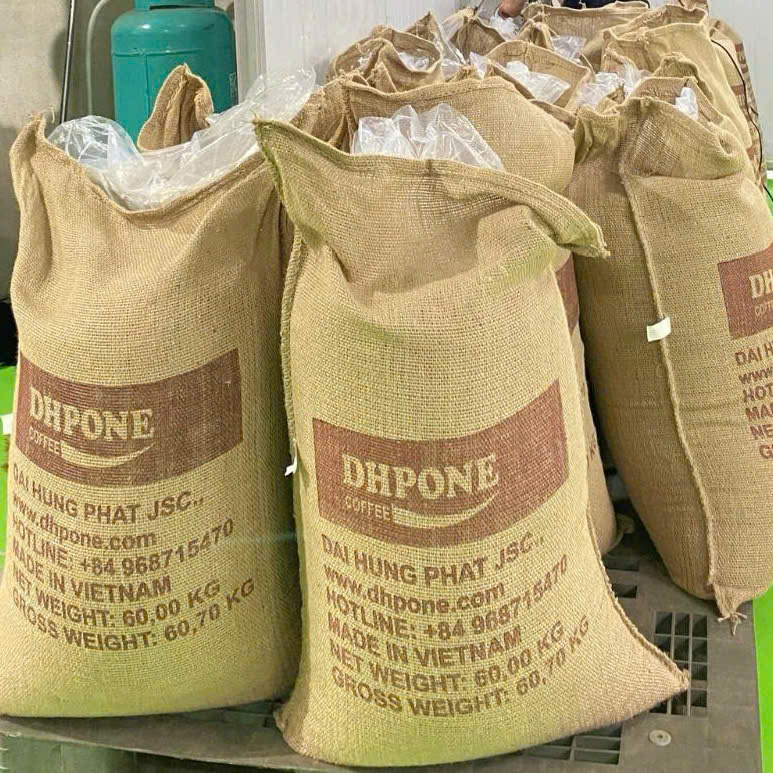
Image 4: Sample Cupping Is The First Step Before Ordering Vietnamese Green Coffee Beans For Export.
Sustainability And Traceability In Green Coffee Beans For Export
Knowing Where Your Coffee Comes From
Traceability has moved from nice-to-have to expected. Buyers ask about region, farm or cooperative, variety, altitude, processing and harvest date, and in some markets about compliance with environmental and due-diligence rules, which can change, so check current requirements for your destination. Even when full farm-level tracing is not possible, region-level information and organized lot records add credibility. Ask your supplier what traceability data they can provide with each lot of Vietnamese Green Coffee Beans For Export.
Climate Adaptation And Fair Partnerships
Coffee farming faces climate pressure from irregular rainfall, heat and pests. Practices such as shade management, efficient irrigation, replanting with resilient varieties and soil care help farms adapt. Fair purchasing and long-term relationships give farmers the confidence to invest in quality. Exporters who build these partnerships help secure the supply of high-quality Green Coffee Beans For Export for years to come.
Buying Checklist For Vietnamese Green Coffee Beans For Export
Ten Points To Confirm Before You Sign
- Species And Variety: Robusta, Arabica or a defined blend, with clear naming.
- Crop Year: New crop or carry-over, and the harvest period.
- Screen Size: Target screen and tolerance for undersize beans.
- Defect Limits: Maximum black and broken beans and other defects.
- Moisture: Maximum percentage at loading.
- Processing Method: Natural, washed, honey or other.
- Packing: Bag type, net weight, liners and marking.
- Reference Sample: The approved sample to which the shipment will be compared.
- Terms: Trade term, payment method, shipment period and port.
- Inspection And Claims: Who may inspect, and how claims will be handled.
Mistakes That Cost Importers Money
The most expensive errors are avoidable: skipping the sample, choosing by price alone, leaving specifications vague, ignoring crop year, failing to check import rules, and storing coffee badly after arrival. Another is assuming that every supplier uses the same definitions for grades. Always confirm terms in writing. With careful preparation, buying Green Coffee Beans For Export from Vietnam can be smooth and profitable.
Why Choose Đại Hung Phat For Vietnamese Green Coffee Beans For Export
Practical Knowledge And Clear Communication
Đại Hung Phat operates from Ho Chi Minh City, close to the ports, mills and logistics partners that support coffee export. We speak the language of roasters and importers: screen size, defects, moisture, cup profile and shipping schedules. When you contact us, we ask about your roast style, market and volume, propose suitable lots, send samples and keep every specification in writing. This practical, transparent approach is what we bring to every Vietnamese Green Coffee Beans For Export inquiry.
Flexible Supply For Roasters, Traders And Brands
We can support sample requests, trial orders, container programs, custom blends and private-label projects, and we adapt to your stage of growth. After each shipment, we welcome feedback so the next lot can be even better matched to your needs. Our goal as a supplier of Green Coffee Beans For Export is a long-term partnership built on honest quality and reliable service.
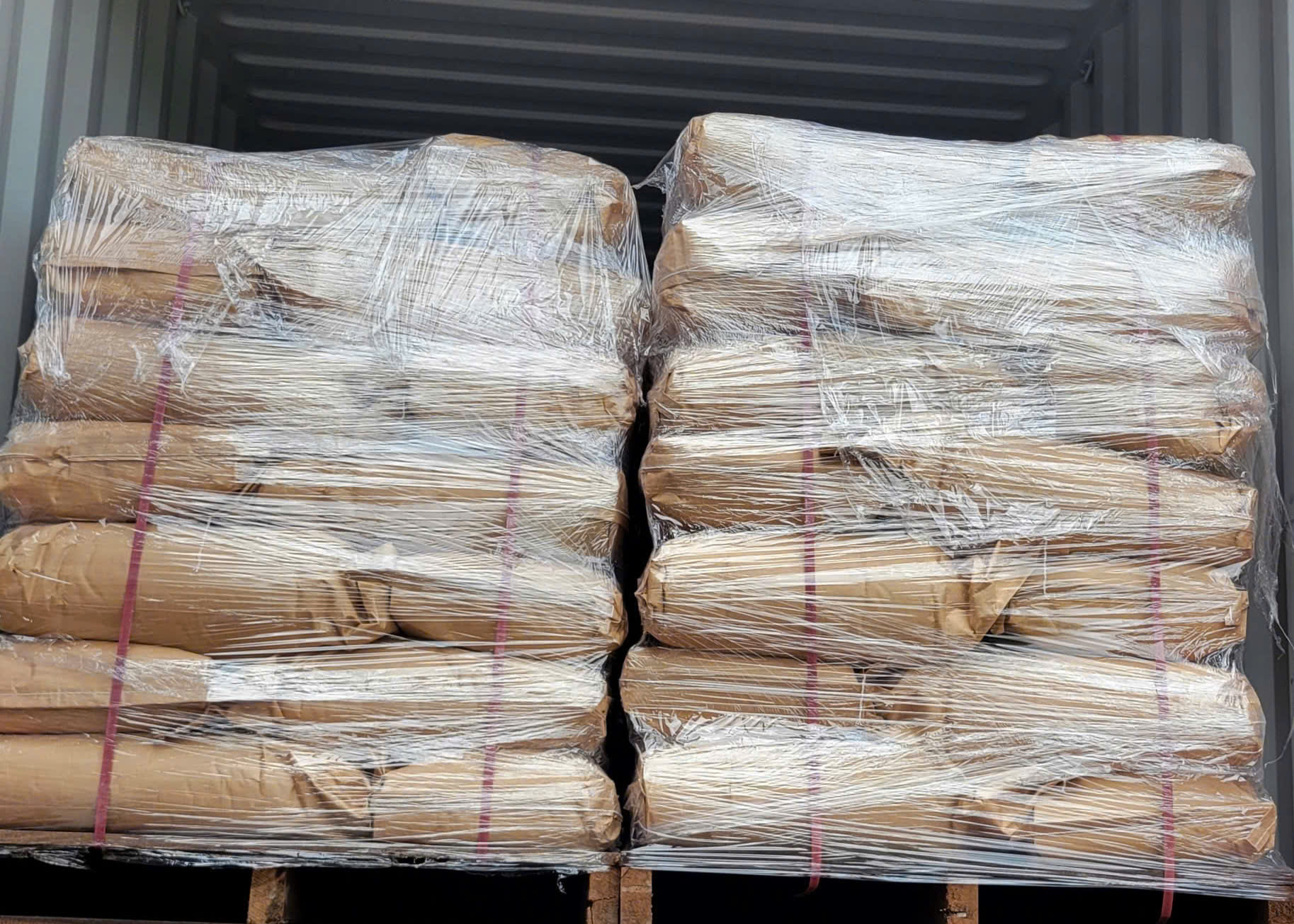
Image 5: Đại Hung Phat Prepares Vietnamese Green Coffee Beans For Export With Careful Sorting And Packing.
Frequently Asked Questions About Vietnamese Green Coffee Beans For Export
What Are Green Coffee Beans?
Green coffee beans are the unroasted seeds of the coffee fruit, dried and processed but not yet heated. They are the standard form of coffee traded internationally.
Which Is Better For Export, Vietnamese Robusta Or Arabica?
Neither is better in every case. Robusta suits body, crema, instant and blends; Arabica suits aroma, sweetness and specialty menus. Many buyers use both, and a supplier of Green Coffee Beans For Export can help you choose.
What Moisture Level Is Normal For Export Coffee?
Commonly around 12.5 percent or lower, though the exact limit is agreed in the contract and checked before loading.
How Should I Store Green Coffee After It Arrives?
Keep it in a cool, dry, ventilated place on pallets, away from strong odors and sunlight, with stable humidity and first-in, first-out rotation.
Can I Request Samples Of Vietnamese Green Coffee Beans For Export?
Yes. Samples are recommended so you can evaluate size, defects and cup quality. Contact Đại Hung Phat with your requirements to arrange them.
What Packaging Is Used For Export Shipments?
Typically new 60-kilogram jute or PP bags, with optional GrainPro or vacuum liners for premium lots, loaded into clean, dry containers.
Can I Order A Custom Blend Of Green Beans?
Yes, in many cases. Share your target flavor, ratio and volume, and the supplier can propose a blend and send samples for approval.
How Do I Start Importing Vietnamese Green Coffee Beans For Export?
Send an inquiry with your target species, grade, volume, timing and destination. Review offers and samples, confirm specifications and terms in writing, consider a trial order, and plan shipment with your supplier.
Request Samples Of Vietnamese Green Coffee Beans For Export From Đại Hung Phat
Ready to taste the difference? Contact Đại Hung Phat today to request samples, discuss grades and receive a clear quotation for Green Coffee Beans For Export. Visit dhpone.com and follow our social channels for product updates, market news and new arrivals.
Contact Information – Dai Hung Phat Company
Hotline: +84 (28) 668 412 03 and +84 (28) 668 412 04
Email: sales02@dhptrans.com | sales01@dhptrans.com
Address: Gia Hoi Building - 725/21 Truong Chinh Street, Tay Thanh Ward, Ho Chi Minh City, Vietnam.
Tax ID: 0312386976
Phone: Zalo / Viber / WhatsApp +84 96 454 1249
Website: https://dhpone.com/
Fanpage: Facebook | TikTok: DHP One Coffee | YouTube: @dhponecoffee
LinkedIn: Tina Trinh | Alibaba: Dai Hung Phat | Instagram: @dhpone_coffee
Map: View On Google Maps
#VietnameseGreenCoffeeBeansForExport #GreenCoffeeBeansForExport #GreenCoffeeBeans #VietnamCoffee #RobustaCoffee #ArabicaCoffee #DaiHungPhat #CoffeeExport


