


Vietnamese Coffee Exporter
The Partnership Playbook: How To Evaluate, Start And Grow A Long-Term Supply Relationship With Đại Hung Phat
Most articles about coffee export focus on the product. This one focuses on the relationship. Anyone can find a supplier who will sell you a container of beans once. What every roaster, importer and manufacturer really wants is a partner who delivers the same quality next season, answers messages quickly, solves problems without drama and grows with the business. Finding that partner among the many companies that call themselves a Vietnamese Coffee Exporter takes a little structure, and that is what this playbook offers.
Written by Đại Hung Phat, it describes what a good Coffee Exporter does behind the scenes every day, what products a full-service exporter can offer, how to run due diligence, what a sensible first 90 days looks like, which communication and logistics standards to expect, and how to manage the four main risks in coffee trading: price, quality, delivery and payment. Use it as a working checklist when you evaluate new suppliers or review your current ones.
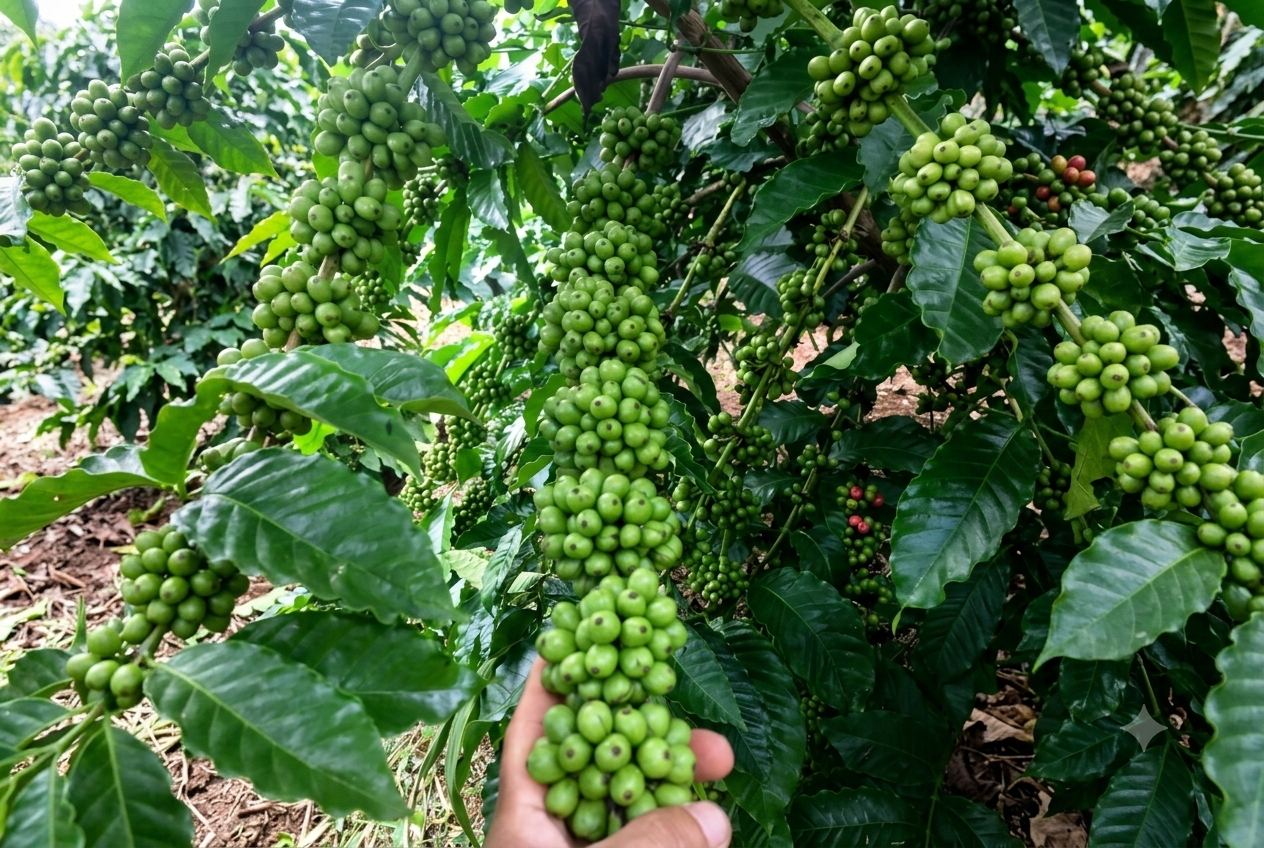
Image 1: A Dependable Vietnamese Coffee Exporter Turns Farm Harvests Into Reliable Container Shipments.
What A Vietnamese Coffee Exporter Actually Does Every Day
The Sourcing Desk: Finding The Right Lots
Behind every offer sheet is a team that spends its days talking to farmers, cooperatives, collectors and mills. The sourcing desk tracks which areas are drying, which lots are ready, how the weather is affecting quality and what each seller is asking. It negotiates purchases, arranges sampling and decides which lots can be matched to which customers. A good Coffee Exporter never offers coffee it has not evaluated, because an offer is a promise, and promises made without knowing the product are how disputes begin.
The Quality Desk: Sampling, Cupping And Control
The quality team measures moisture, counts defects, checks screen size and cups samples against the buyer's requirements. It supervises hulling, sorting and blending, draws representative samples from each lot and retains them in sealed, labeled packs. If a lot falls short, the quality desk says so before the contract, not after the shipment. This role is quiet and rarely visible to customers, but it determines whether the coffee that arrives matches the coffee that was approved.
The Logistics Desk: Documents, Bookings And Tracking
The logistics team books container space, coordinates trucking from the mill to the port, arranges loading and inspection, prepares documents and tracks the vessel. It also manages customs clearance on the export side and answers the buyer's questions about schedules and paperwork. Small errors here, such as a wrong consignee name or a missing certificate, can cost days or money. That is why an experienced Vietnamese Coffee Exporter uses checklists and double-checks every document before release.
Product Range Of A Full-Service Vietnamese Coffee Exporter
Green Coffee: Robusta, Arabica And Culi
Green beans remain the core of the business. Robusta from the Central Highlands offers body, crema and strength; Arabica from Lam Dong, Son La and Quang Tri offers sweetness and aroma; Culi offers concentrated flavor. Each comes in several screen sizes, defect grades and processing styles, from standard natural lots to washed, honey and specialty selections. A full-service Coffee Exporter can propose the right combination for espresso, filter, instant or blending programs.
Roasted And Ground Coffee
Some customers prefer to buy finished coffee. Many exporters work with roasting partners to supply whole bean and ground coffee in retail or bulk packs, in roast levels from light to dark and in blends designed for particular tastes. This route suits importers who want to launch a brand quickly, distributors who serve cafés and hotels, and retailers who want ready-to-sell products without owning roasting equipment.
Instant, 3-In-1 And Private Label Programs
Vietnam is also a major source of instant coffee and 3-in-1 sachets. Through partner factories, a flexible Vietnamese Coffee Exporter can coordinate custom formulas, sachet sizes, flavors and packaging with the customer's own brand, logo and barcode. Private-label projects take more planning than commodity shipments, so it is wise to begin with clear targets for taste, price, packaging and launch timing.
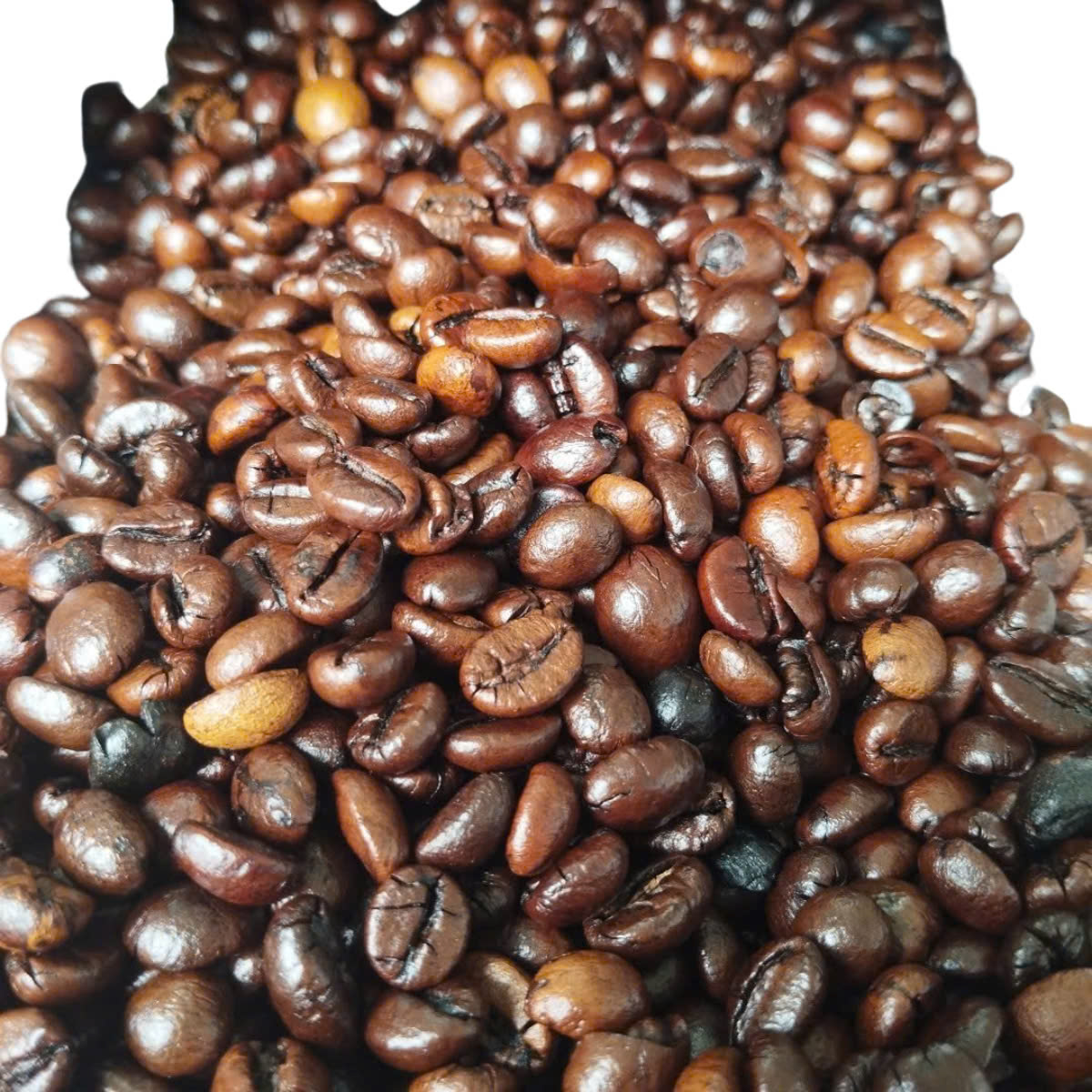
Image 2: A Full-Service Coffee Exporter Offers Several Grades, Species And Processing Styles.
Due Diligence Checklist Before Choosing A Vietnamese Coffee Exporter
Legal Identity And Registration
Begin with the basics. Ask for the company's registered name, registration details, tax identification number, address and authorized representatives, and check that they match the names on the offer, the contract and the bank account. Reputable exporters share this information readily. Be cautious if a supplier is vague about who they are, offers payment to an account under a different name, or hesitates to provide registration details. A few minutes of verification at the start can prevent serious problems later.
Operational Capability And Facilities
Ask how the exporter sources coffee, where it is processed, what sorting equipment is used, how samples are drawn and stored, how much volume can be handled each month and how loading is supervised. If possible, request photos or videos of the facility, or visit in person or through a trusted inspector. A genuine Coffee Exporter will answer these questions concretely and will not mind demonstrating its process.
References, Track Record And Financial Behavior
Request references from existing customers in your region or segment, and ask about the supplier's experience with your destination port and trade terms. Pay attention to how the supplier handles negotiation: do they push unrealistic discounts, pressure you to pay quickly, or refuse reasonable safeguards such as inspection and sample approval? Healthy suppliers welcome safeguards because they protect both sides. The way a Vietnamese Coffee Exporter behaves before the contract is the best predictor of how it will behave after.
The First 90 Days With A New Vietnamese Coffee Exporter
Days 1 To 30: Brief, Samples And Specification
In the first month, share a clear brief covering your market, species, grade, volume, timing and target price. Request samples and cup them against your needs. Discuss processing methods, crop year and screen size. Draft a written specification that includes moisture, defects, foreign matter, packing and tolerance, and agree on how the approved sample will be used as a reference. Treat this month as a conversation, not a negotiation sprint.
Days 31 To 60: Trial Order And Shipment
In the second month, place a trial order if the supplier offers one. Choose a safe payment method, such as a letter of credit or a deposit-and-balance structure with documents, and consider independent inspection. Ask for a pre-shipment sample, photos of loading and prompt updates on booking and sailing. Use this period to test the supplier's communication, accuracy of documents and ability to keep a schedule. A good Coffee Exporter will treat the trial order with the same care as a large contract.
Days 61 To 90: Review And Program Planning
After the shipment arrives, compare the arrival sample with the approved reference, roast and cup the coffee, and review documents, timing and communication. Share honest feedback, both positive and negative, and ask the supplier to do the same. If the trial succeeded, design a regular program with agreed volumes, delivery months, quality tolerances and price mechanisms. If it did not, discuss what should change before committing further. This review is where partnerships are won or lost.
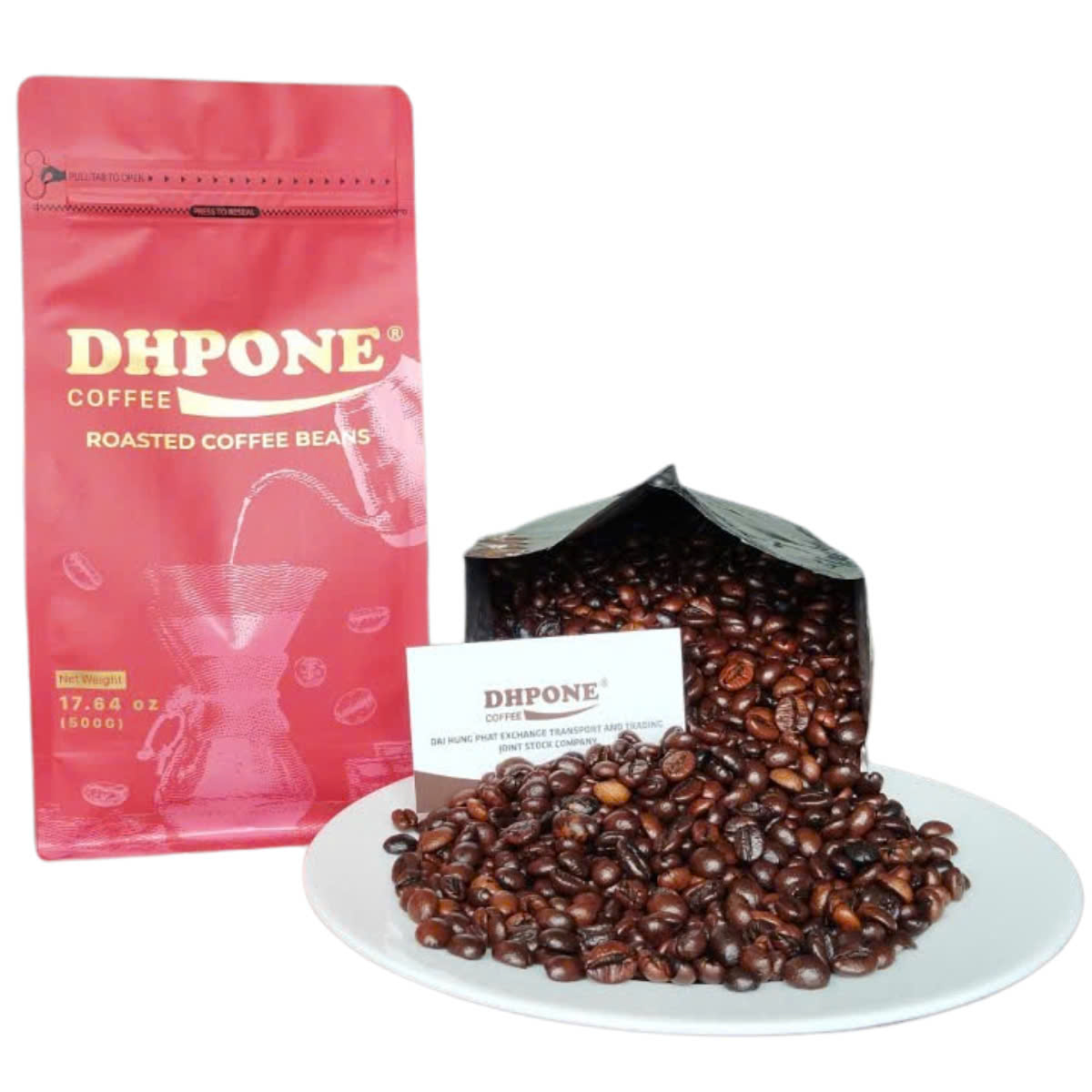
Image 3: Sample Approval Is The Foundation Of Every Safe Order From A Vietnamese Coffee Exporter.
Communication Standards Of A Great Coffee Exporter
Response Time And Clarity
Coffee markets move, and so do shipping schedules. A supplier that answers in a day or two with vague replies costs you more than one who answers within hours with precise information. Look for exporters who acknowledge messages quickly, give direct answers, confirm important points in writing and tell you early if something changes. Time zone differences are normal; slow, unclear communication is not.
Photos, Videos And Visual Proof
Modern buyers expect visual evidence. Photos or short videos of the lot, the sampling process, the packing, the container loading and the sealed doors give confidence and a record in case of questions. They also help roasters and quality managers discuss details without waiting for physical samples. A transparent Vietnamese Coffee Exporter offers this proof without being asked.
Documentation Discipline
Good exporters send draft documents for approval before final issuance, use consistent naming across invoice, packing list, bill of lading and certificates, and keep an organized file for every shipment. This discipline reduces customs delays and makes claims or audits far easier. Ask each candidate to explain their document process, and notice whether they have one.
Logistics Excellence: How A Vietnamese Coffee Exporter Protects Your Cargo
Early Booking And Reliable Forwarders
Container space tightens during peak seasons, and last-minute bookings can lead to higher costs or missed sailings. Experienced exporters book early, maintain relationships with reliable shipping lines and forwarders and build buffers into schedules. When customers ask about timing, they give realistic ranges rather than optimistic promises.
Careful Loading And Moisture Protection
Containers are inspected for cleanliness, odor, dryness and structural condition. Lining with kraft paper or cardboard and using moisture-absorbing materials reduces condensation risk. Bags are stacked and braced to avoid shifting, and a 20-foot container typically holds around 18 to 19.2 metric tons in bags. The seal number is recorded, and photos are taken so the buyer can verify the condition on arrival. These small steps protect the quality that the exporter worked hard to build.
Tracking, Updates And Arrival Support
After loading, a professional Coffee Exporter shares the booking details, vessel information, estimated sailing and arrival dates, and updates the buyer if schedules change. After arrival, the exporter remains available to answer questions about documents, customs or quality. Support does not end when the ship leaves the port.
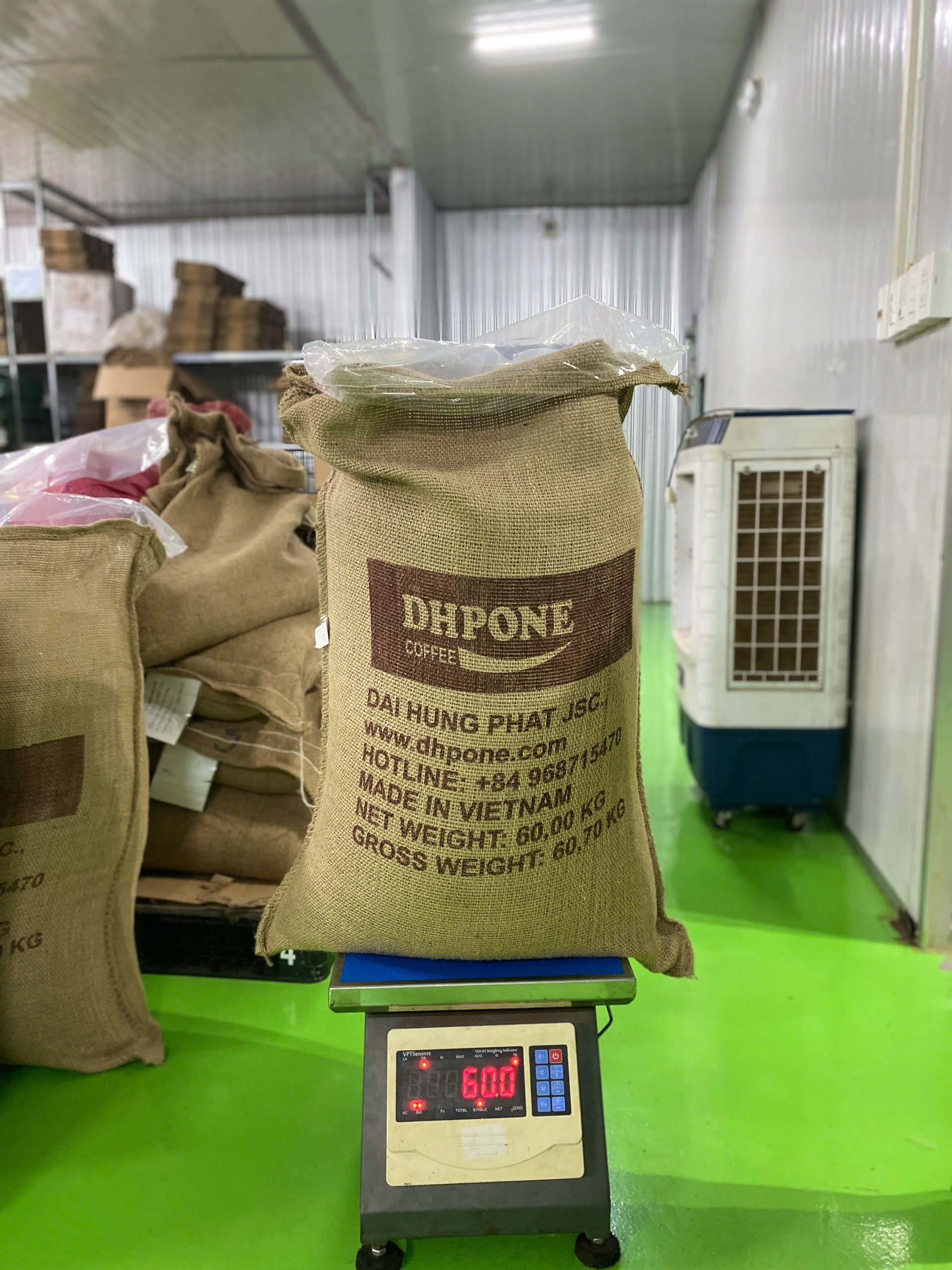
Image 4: Careful Packing And Loading By A Professional Vietnamese Coffee Exporter Protects Coffee Quality At Sea.
Managing Risk With A Vietnamese Coffee Exporter: Price, Quality, Delivery And Payment
Price Risk And Pricing Structures
Coffee prices can swing sharply. Buyers manage this risk by diversifying purchase timing, using forward contracts, or agreeing on pricing structures such as a reference price plus differential. Discuss options openly with your supplier and avoid concentrating all purchases at a single moment. A transparent Coffee Exporter will explain how offers are built so you can compare them fairly.
Quality Risk And Claims
Quality risk is reduced by approved samples, written specifications, pre-shipment checks and optional independent inspection. Retain your own samples in sealed packs. If an issue appears, notify the supplier promptly with photos, test results and arrival samples, and refer to the contract. A professional exporter will review the evidence and discuss fair solutions rather than avoid the conversation.
Delivery Risk And Contingency Planning
Delays can occur because of port congestion, vessel changes or weather. Build buffer time into your roasting plan, avoid running stocks to zero, and agree with the supplier on how delays will be communicated and handled. Regular programs with predictable monthly shipments make contingency planning easier for both sides.
Payment Risk And Safe Structures
Letters of credit, deposit-and-balance structures and payment against documents are common ways to share risk. The right choice depends on order size, destination and the length of your relationship. Always confirm bank details through verified channels and be cautious about last-minute changes to payment instructions. Careful handling of payment protects everyone.
Responsible Practices Of A Modern Vietnamese Coffee Exporter
Traceability, Fair Sourcing And Climate Awareness
Buyers increasingly ask where coffee comes from and how it was produced. A responsible Coffee Exporter keeps records of supplier regions and lots, pays fairly, supports farmers with practical advice and pays attention to climate challenges such as irregular rainfall and heat. Some destination markets have due-diligence and environmental requirements that change over time, so importers should confirm current rules and ask the supplier what information it can provide. Long-term, fair relationships with farmers are not charity; they are how a stable supply of good coffee is built.
Why Đại Hung Phat Is A Vietnamese Coffee Exporter Worth Partnering With
A Service Model Built Around The Customer
Đại Hung Phat is based in Ho Chi Minh City, close to the ports and partners that make export efficient. We start by listening: your market, your roast, your volume, your timing. We then propose suitable lots, send samples, write specifications clearly and keep you updated at every stage. We believe that clear communication, realistic promises and consistent follow-through are what turn a first order into a long relationship, and that is the standard we set for ourselves as a Vietnamese Coffee Exporter.
Flexible Support From Trial Orders To Annual Programs
Our cooperation is flexible. New customers can begin with samples and trial orders; established customers can plan monthly or quarterly programs; brand owners can discuss custom blends and private-label projects. After each shipment, we welcome feedback so that the next lot is even better matched to your needs. Our aim as a Coffee Exporter is to be the partner you do not have to worry about.
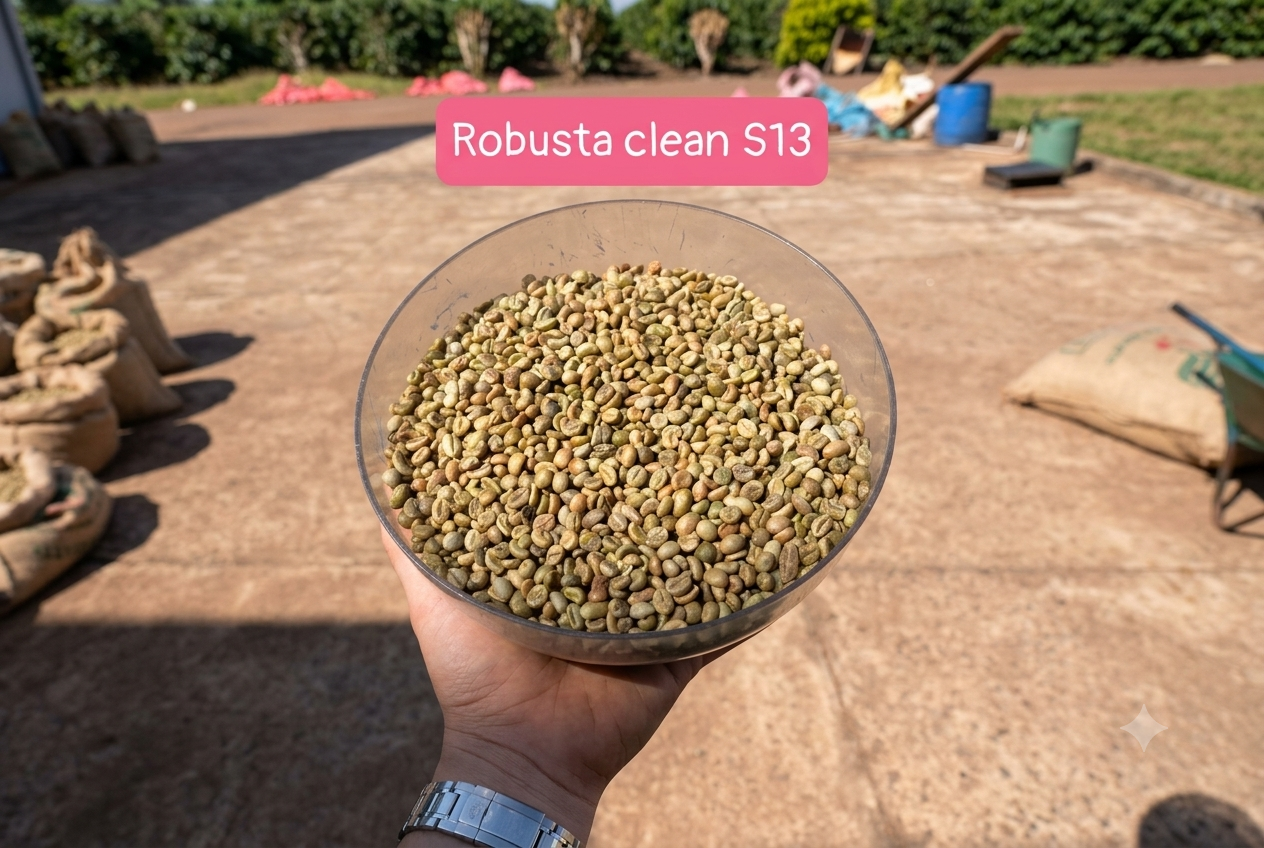
Image 5: Đại Hung Phat, A Vietnamese Coffee Exporter, Builds Supply On Fair Relationships With Farms.
Frequently Asked Questions About A Vietnamese Coffee Exporter
What Is A Vietnamese Coffee Exporter?
It is a company that sources coffee in Vietnam, grades and prepares it, arranges documents and logistics, and sells it to overseas customers under agreed terms.
How Do I Verify A Coffee Exporter Before Ordering?
Check registration and tax details, ask about facilities and process, request references and samples, and compare communication quality. Start with a smaller trial order if possible.
What Products Can A Vietnamese Coffee Exporter Supply?
Green Robusta, Arabica and Culi in several grades, plus, through partners, roasted, ground, instant and 3-in-1 coffee, including private-label programs.
Can I Start With A Small Trial Order?
Often yes, depending on the product and logistics. Contact Đại Hung Phat to discuss options for samples and trial quantities.
How Does A Coffee Exporter Handle Quality Problems?
By referring to the contract, approved sample and retained samples, reviewing the evidence you provide and discussing a fair solution. Prompt notification with photos and test results speeds up resolution.
Which Payment Methods Are Common?
Telegraphic transfer and letter of credit are the most common. Deposit-and-balance structures and payment against documents are also used, depending on the relationship.
How Long Does Shipping Take?
Preparation depends on stock and volume. Sea transit ranges from roughly one to two weeks within Asia to a month or more to Europe or North America. Your exporter should provide a realistic schedule at contract stage.
How Do I Begin Working With A Vietnamese Coffee Exporter?
Send a clear brief with your market, species, grade, volume, timing and destination. Evaluate samples, confirm specifications in writing, run a trial order and review the results together before planning a regular program.
Start Your Partnership With Đại Hung Phat – Your Vietnamese Coffee Exporter
Ready to build a supply relationship you can trust? Contact Đại Hung Phat today to request samples, share your brief and receive a clear quotation from a dedicated Coffee Exporter. Visit dhpone.com and follow our social channels for product updates, market news and new arrivals.
Contact Information – Dai Hung Phat Company
Hotline: +84 (28) 668 412 03 and +84 (28) 668 412 04
Email: sales02@dhptrans.com | sales01@dhptrans.com
Address: Gia Hoi Building - 725/21 Truong Chinh Street, Tay Thanh Ward, Ho Chi Minh City, Vietnam.
Tax ID: 0312386976
Phone: Zalo / Viber / WhatsApp +84 96 454 1249
Website: https://dhpone.com/
Fanpage: Facebook | TikTok: DHP One Coffee | YouTube: @dhponecoffee
LinkedIn: Tina Trinh | Alibaba: Dai Hung Phat | Instagram: @dhpone_coffee
Map: View On Google Maps
#VietnameseCoffeeExporter #CoffeeExporter #VietnamCoffee #GreenCoffeeBeans #PrivateLabelCoffee #RobustaCoffee #DaiHungPhat #CoffeeExport


