


Vietnam Coffee Exporter
Trusted Green Coffee Supply From Ho Chi Minh City By Đại Hung Phat
Every cup of coffee begins with a decision made months earlier: which origin to buy, which grade to trust, and which partner to rely on for delivery. For thousands of roasters, importers, traders and food manufacturers around the world, that decision increasingly leads to Vietnam. The country has grown from a small coffee producer into a global powerhouse, and choosing the right Vietnam Coffee Exporter has become one of the most important steps in building a stable, profitable and high-quality coffee supply chain.
This in-depth guide from Đại Hung Phat explains how the Vietnamese coffee industry works, what products a professional Coffee Exporter can offer, how quality is controlled, which documents and shipping terms are involved, and what to check before signing a contract. If you are searching for a dependable partner for Robusta, Arabica or custom blends, the following sections will give you the knowledge you need to buy with confidence.
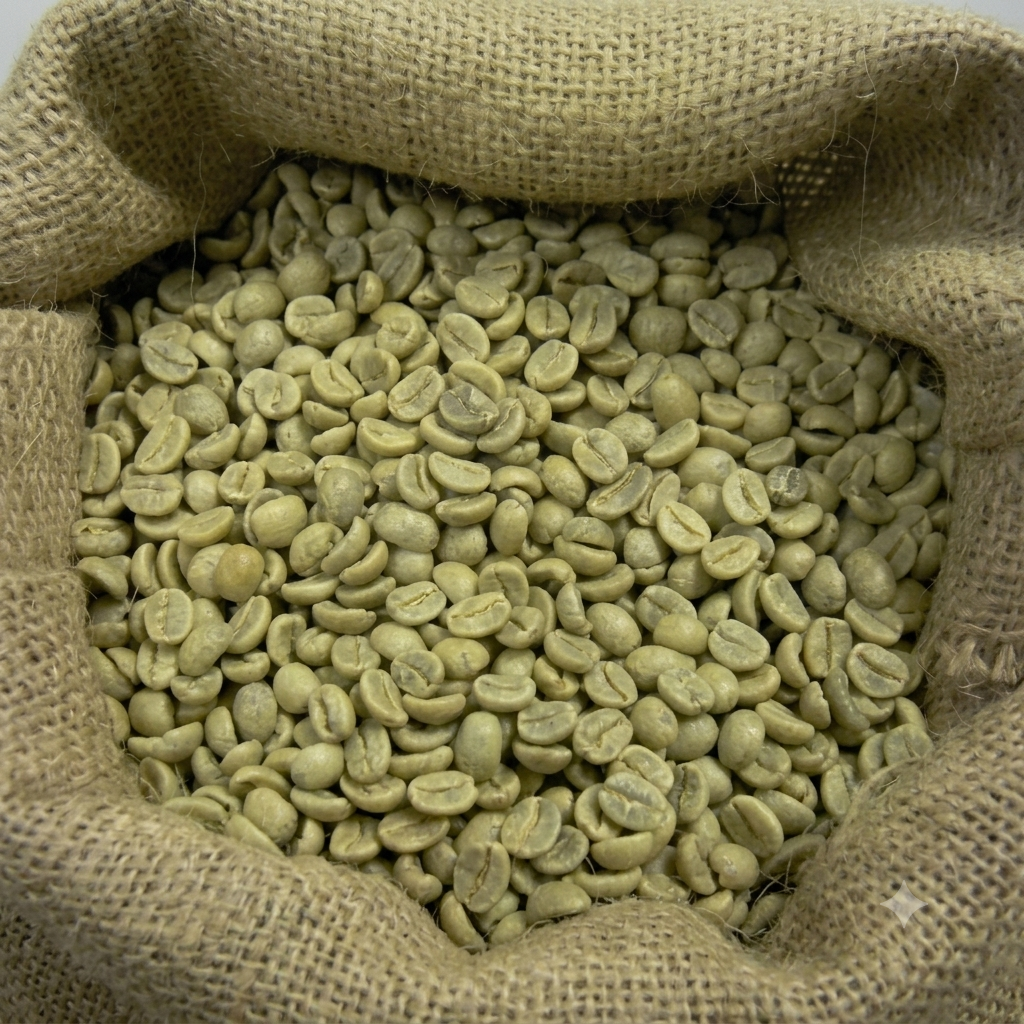
Image 1: A Professional Vietnam Coffee Exporter Delivers Consistent Green Coffee To Global Buyers.
Overview Of The Vietnam Coffee Exporter Industry
Vietnam's Position In The Global Coffee Market
Vietnam is widely recognized as the world's largest Robusta producer and one of the top coffee-exporting countries overall. Annual exports usually reach well over one million metric tons of green coffee, supplying customers across Europe, North America, Asia, the Middle East and Oceania. Coffee is one of the most important agricultural export commodities in the country, supporting millions of farming households and thousands of businesses in processing, trading, packaging and logistics. This scale makes every experienced Coffee Exporter in Vietnam part of a mature and highly organized supply network.
The success of the industry is built on several strengths: favorable climate and soil, decades of farming experience, competitive production costs, improving processing technology, and a strong export infrastructure centered on Ho Chi Minh City and nearby seaports. For international buyers, these strengths translate into stable supply, flexible volumes and a broad choice of grades.
Main Coffee Growing Regions Supplying Exporters
The Central Highlands is the heart of Vietnamese coffee. Dak Lak, with its capital Buon Ma Thuot, is the largest Robusta-producing province, followed by Lam Dong, Gia Lai, Dak Nong and Kon Tum. Red basalt soil, reliable rainfall and a clear dry season create the conditions for dense, flavorful beans. Arabica is concentrated in cooler highlands such as Cau Dat and Lam Ha in Lam Dong, Son La in the northwest, and Khe Sanh in Quang Tri. Each region has its own flavor character, and a knowledgeable Vietnam Coffee Exporter can match the right origin to your roast profile, budget and target market.
Products Offered By A Professional Coffee Exporter
Robusta Green Coffee Beans From Vietnam
Robusta is the flagship product of any Vietnam Coffee Exporter. It contains around 2.2 to 2.7 percent caffeine and delivers a strong body, dark chocolate and nutty notes, low acidity and excellent crema. Common export grades include Screen 13 and Screen 16, with Grade 1 and Grade 2 defined by the level of black and broken beans. Robusta is the preferred base for espresso blends, instant coffee, 3-in-1 coffee mixes, ready-to-drink beverages and traditional Vietnamese phin coffee. Washed Robusta and fine Robusta lots are also growing in popularity among roasters looking for cleaner, sweeter cups.
Arabica Green Coffee Beans For Specialty And Premium Roasting
Arabica from Vietnam is smoother and more aromatic, with notes of caramel, chocolate, nuts, ripe fruit and a gentle, pleasant acidity. Varieties include Catimor, Bourbon, Typica and other selections grown at altitude. Natural, washed and honey processing options give roasters a wide flavor palette. A modern Coffee Exporter will often offer both commercial Arabica for blends and specialty lots with cupping scores of 80 points or more, supported by traceability information about farm, altitude and process.
Culi, Excelsa, Liberica And Custom Blends
Beyond the two main species, exporters can also supply Culi (peaberry) coffee, which has a single rounded bean inside each cherry and a concentrated flavor, as well as small quantities of Excelsa and Liberica for unique regional tastes. Many customers also ask for custom green blends, for example 70 percent Robusta and 30 percent Arabica, designed for a specific espresso or filter profile. A flexible Vietnam Coffee Exporter can prepare these blends in controlled ratios and ship them under your private label requirements.
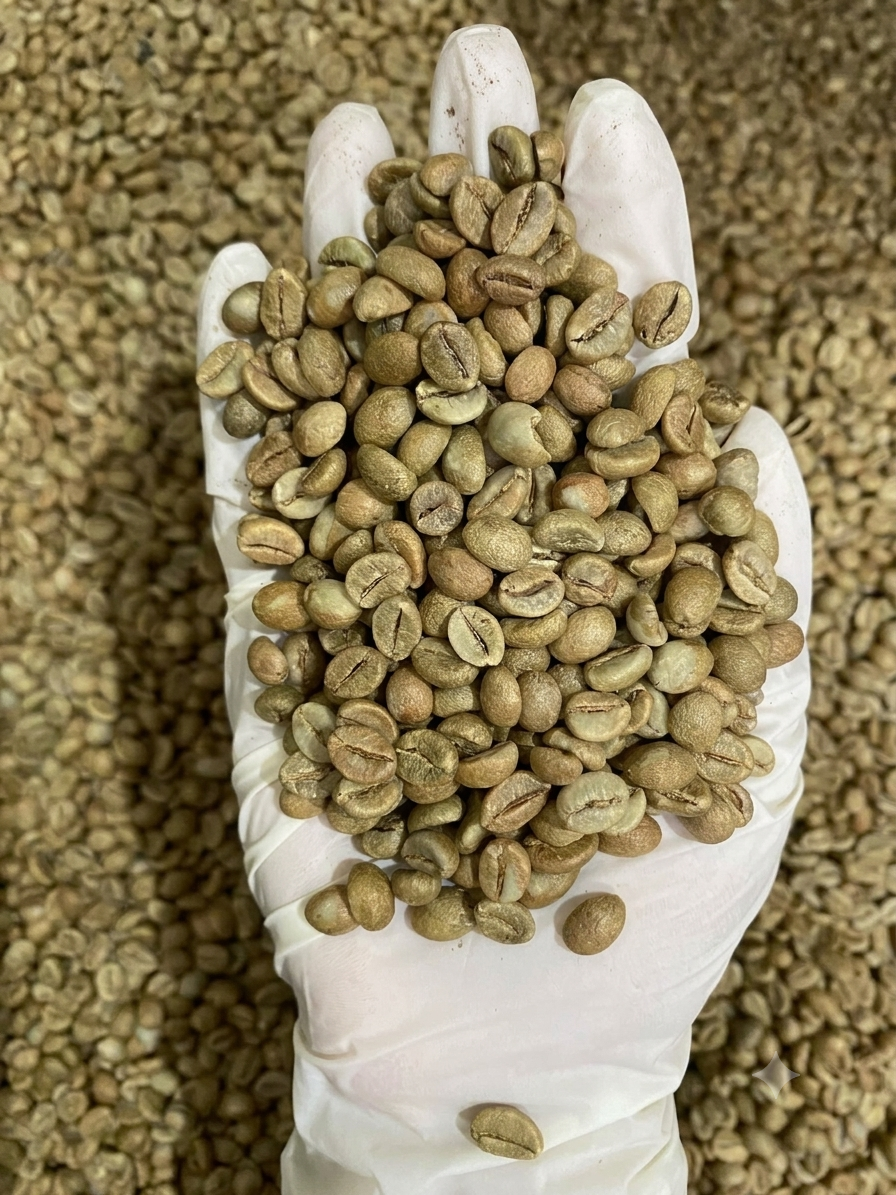
Image 2: Robusta And Arabica Grades Prepared By A Reliable Coffee Exporter.
How A Vietnam Coffee Exporter Controls Quality
Careful Sourcing From Farms And Cooperatives
Quality begins in the field. A responsible Coffee Exporter builds long-term relationships with farmers, cooperatives and primary processors, encouraging selective harvesting of ripe cherries, clean drying surfaces and proper storage. Fair purchasing practices and technical support help farmers improve their results, which in turn improves the consistency of the beans that reach the export warehouse. Sourcing from known areas also supports traceability, which more and more buyers now require for compliance and brand storytelling.
Processing, Drying, Hulling And Sorting Standards
After harvest, coffee is processed using natural, washed or honey methods, then dried to a safe moisture level, typically 12.5 percent or lower. Hulling machines remove parchment or dried cherry skin, and polishing equipment improves appearance. Screen graders separate beans by size, gravity tables remove light or damaged beans, and electronic color sorters detect black, sour or discolored beans. Final hand sorting removes remaining defects and foreign matter. This multi-step approach is how a top Vietnam Coffee Exporter guarantees that the shipped lot matches the approved sample.
Sampling, Cupping And Pre-Shipment Inspection
Before any contract is finalized, buyers should evaluate offer samples for bean size, defects, moisture, aroma and cup quality. Once the sample is approved, a pre-shipment sample is drawn from the actual lot for confirmation. Independent inspection companies can verify quality, weight, packaging and container loading, issuing certificates that give both parties confidence. This disciplined workflow reduces disputes and protects the long-term relationship between exporter and importer.
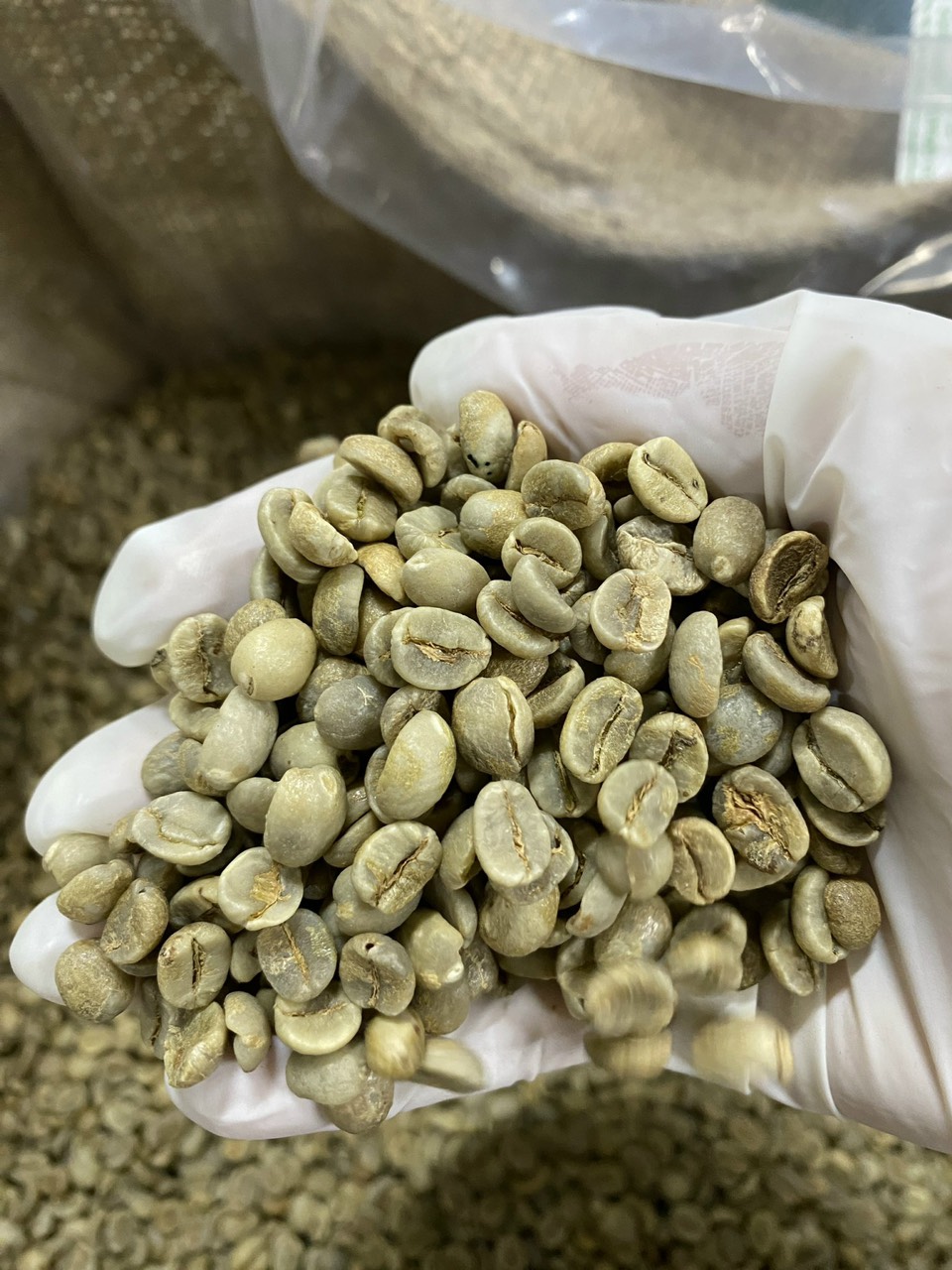
Image 3: Sorting, Grading And Cupping At A Quality-Focused Vietnam Coffee Exporter.
Export Specifications From A Coffee Exporter In Vietnam
Key Parameters Buyers Should Confirm
Clear specifications prevent misunderstandings. When discussing an order with any Vietnam Coffee Exporter, confirm the following points in writing:
- Species And Variety: Robusta, Arabica, Culi or a defined blend ratio.
- Screen Size: For example Screen 13, 16 or 18, with tolerance levels.
- Moisture: Typically a maximum of 12.5 percent.
- Black And Broken Beans: Grade 1 around 2 to 3 percent, Grade 2 around 5 percent, or as agreed.
- Foreign Matter: Commonly 0.5 percent or less.
- Processing Method: Natural, washed, honey or wet-polished.
- Crop Year And Origin: Harvest season and growing region.
Packing Options And Container Capacity
Green coffee is commonly packed in new 60-kilogram jute or PP bags, though other bag weights are possible. Premium lots may use GrainPro or vacuum liners to preserve freshness. A 20-foot container typically holds about 18 to 19.2 metric tons in bags, and bulk liners can increase efficiency for high-volume shipments. A skilled Coffee Exporter also protects the cargo with moisture-absorbing materials, proper dunnage and careful stuffing, reducing condensation risk during the sea journey.
Export Process, Terms And Documents Of A Vietnam Coffee Exporter
Trade Terms And Payment Methods
International coffee deals are usually concluded under FOB, CFR or CIF terms. Under FOB Ho Chi Minh City, the exporter delivers goods on board at the port of loading and the buyer arranges freight. Under CFR and CIF, the exporter also arranges sea freight, and under CIF includes insurance. Payment is commonly made by telegraphic transfer or irrevocable letter of credit, with details such as deposit percentage and payment timing set in the contract. A transparent Coffee Exporter explains these terms clearly and helps new customers understand their obligations.
Essential Export Documents
A complete export set normally includes the commercial invoice, packing list, bill of lading, certificate of origin, phytosanitary certificate and, when requested, a quality certificate, weight certificate or fumigation certificate. Accurate and timely documents are critical because they affect customs clearance, insurance claims and payment release. A professional Vietnam Coffee Exporter prepares these documents carefully and shares drafts for approval before final issuance.
Shipping Routes And Delivery Schedule
Most coffee leaves Vietnam through Ho Chi Minh City area ports, with regular sailings to major hubs worldwide. Transit time varies by destination, from around one to two weeks to nearby Asian ports and a month or more to Europe and North America. Experienced exporters monitor vessel schedules, book space early during peak season, and keep customers informed about loading, departure and arrival. Reliable logistics coordination is one of the biggest differences between an average supplier and an excellent Coffee Exporter.

Image 4: Container Loading And Sea Freight Coordinated By A Dependable Vietnam Coffee Exporter.
Global Markets Served By A Coffee Exporter From Vietnam
Europe, North America And The Middle East
European roasters and traders are among the largest buyers of Vietnamese Robusta, using it in espresso blends and in industrial products. North American importers buy both Robusta and Arabica for retail, foodservice and manufacturing. Middle Eastern customers value strong, aromatic coffee and often purchase large volumes for roasting and blending. Each market has its own regulations, labeling needs and quality expectations, and an experienced Vietnam Coffee Exporter understands how to adapt documentation and specifications accordingly.
Asia, Oceania And Emerging Coffee Markets
Asian demand is expanding rapidly as coffee culture grows in China, Japan, South Korea, India, the Philippines and Southeast Asia. Instant coffee factories, ready-to-drink producers and new specialty roasters all need stable raw material. Oceania, Africa and Latin America also offer growing opportunities for traders who want competitive Vietnamese origin coffee. A flexible Coffee Exporter can support both large industrial contracts and smaller trial shipments for new entrants.
Why Choose Đại Hung Phat As Your Vietnam Coffee Exporter
Dependable Supply And Honest Communication
Đại Hung Phat is located in Ho Chi Minh City, the logistics center of Vietnam's coffee trade. We focus on clear offers, accurate specifications and realistic delivery commitments. Our team listens carefully to each customer's roast profile, volume, target price and destination, and then proposes the most suitable lots instead of pushing a one-size-fits-all product. This consultative approach is what makes us a practical partner as a Vietnam Coffee Exporter.
Flexible Orders, Private Label And After-Sales Support
We support sample requests, trial orders, regular monthly shipments and full-container contracts. Customers who want to develop their own brands can discuss custom blends, packaging options and labeling support. After shipment, we stay in contact to confirm arrival, resolve questions and plan the next order. As a Coffee Exporter, our goal is not just to complete a single transaction but to build lasting, trust-based partnerships with buyers around the world.
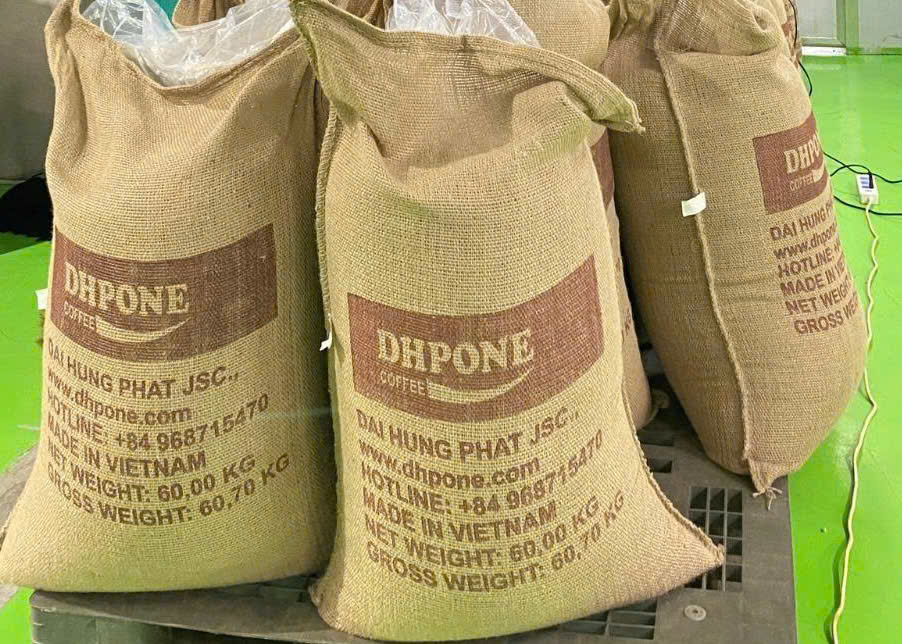
Image 5: Đại Hung Phat, A Customer-Focused Coffee Exporter In Ho Chi Minh City.
How To Select The Right Vietnam Coffee Exporter
A Practical Checklist For Importers
Choosing a supplier is a risk-management decision. Use the following checklist when comparing each Coffee Exporter:
- Legal Status: Verify the company registration, tax ID and export license.
- Sample Quality: Cup the sample and compare it with the pre-shipment sample.
- Specification Clarity: Ensure screen size, moisture, defects and packing are written in the contract.
- Communication Speed: Responsive and precise answers usually signal a reliable partner.
- Logistics Capability: Check experience with your destination port and chosen trade term.
- Inspection Options: Confirm that third-party inspection is welcome.
- References And Track Record: Ask about previous customers and shipment history.
Common Mistakes To Avoid When Buying Green Coffee
The most frequent mistakes include choosing only by the lowest price, skipping sample approval, leaving specifications vague, and ignoring crop year. Very cheap offers may hide high defect counts, high moisture or mixed lots. Another mistake is failing to confirm shipping dates, which can disrupt roasting schedules. Working with an honest Vietnam Coffee Exporter who explains trade-offs openly helps you avoid costly surprises.
Trends And Sustainability For Every Modern Coffee Exporter
Traceability, Certification And Climate Resilience
Buyers increasingly ask for traceability, responsible farming and environmental awareness. Programs related to sustainable practices, water management, shade trees, replanting with improved varieties and reduced chemical use are becoming more common in Vietnam. Climate variability, including droughts and irregular rainfall, remains a challenge, which is why investments in irrigation efficiency and resilient cultivars matter. A forward-looking Vietnam Coffee Exporter supports these efforts and communicates openly about crop conditions, supply outlook and price movements.
Growing Demand For Specialty And Value-Added Coffee
Vietnam is moving beyond bulk commodity coffee. Fine Robusta, specialty Arabica, experimental fermentation, single-origin micro-lots and roasted products are attracting global attention. As a result, the modern Coffee Exporter must offer more than volume: it must provide quality data, flavor descriptions, flexible lot sizes and reliable service. Importers who build relationships now with capable exporters will be better positioned as the market continues to evolve.
Frequently Asked Questions About Vietnam Coffee Exporter
What Does A Vietnam Coffee Exporter Do?
A Vietnam Coffee Exporter sources green coffee from farms and processors, sorts and grades it, prepares packing, arranges inspection and documents, and ships the goods to overseas customers under agreed trade terms.
Which Coffee Types Can I Buy From A Coffee Exporter In Vietnam?
You can buy Robusta, Arabica, Culi and custom blends in different grades and processing styles. A flexible Coffee Exporter can recommend the best option for your roast style and budget.
What Is The Minimum Order Quantity For Export?
Full-container orders are the most cost-effective, but smaller trial quantities may be possible depending on the product and logistics. Contact Đại Hung Phat with your requirements for a tailored proposal.
Can I Get Samples Before Placing An Order?
Yes. Samples are strongly recommended. After you approve the offer sample, a pre-shipment sample can be sent to confirm that the final lot matches your expectations.
How Long Does Coffee Export From Vietnam Take?
Preparation time depends on stock and quantity, and sea transit depends on the destination. A reliable Vietnam Coffee Exporter will give you a realistic schedule from contract signing to loading and arrival.
Which Payment Terms Are Common In Coffee Export?
Telegraphic transfer and letter of credit are the most common. The exact structure, such as deposit and balance, is agreed in the sales contract between buyer and seller.
Can A Coffee Exporter Support Private Label Or Custom Blends?
Yes. Many exporters can prepare defined blend ratios and customized packaging for private-label customers. Discuss your target flavor, volume and branding needs early so the supplier can propose the right solution.
How Can I Verify That A Vietnam Coffee Exporter Is Trustworthy?
Check company registration and tax information, ask for samples and references, confirm that third-party inspection is allowed, and compare communication quality. Transparent answers and clear contracts are strong signs of a trustworthy partner.
Contact Đại Hung Phat Today – Your Trusted Vietnam Coffee Exporter
Ready to start sourcing premium Vietnamese green coffee? Send your inquiry to Đại Hung Phat today and receive samples, specifications and a competitive quotation from a dedicated Coffee Exporter. Visit dhpone.com and follow our social channels for product updates, market news and new arrivals.
Contact Information – Dai Hung Phat Company
Hotline: +84 (28) 668 412 03 and +84 (28) 668 412 04
Email: sales02@dhptrans.com | sales01@dhptrans.com
Address: Gia Hoi Building - 725/21 Truong Chinh Street, Tay Thanh Ward, Ho Chi Minh City, Vietnam.
Tax ID: 0312386976
Phone: Zalo / Viber / WhatsApp +84 96 454 1249
Website: https://dhpone.com/
Fanpage: Facebook | TikTok: DHP One Coffee | YouTube: @dhponecoffee
LinkedIn: Tina Trinh | Alibaba: Dai Hung Phat | Instagram: @dhpone_coffee
Map: View On Google Maps
#VietnamCoffeeExporter #CoffeeExporter #VietnamCoffee #GreenCoffeeBeans #RobustaCoffee #ArabicaCoffee #DaiHungPhat #CoffeeExport


