


Find Arabica and Robusta Coffee Suppliers from Vietnam: A Complete Buyer's Guide
Find Arabica and Robusta coffee suppliers from Vietnam is one of the smartest sourcing decisions a roaster, importer or distributor can make today. Vietnam is the world's largest Robusta producer and one of the top coffee exporters overall. It also has a growing specialty Arabica scene.
But choosing the right partner takes more than a price list. Quality, consistency, documentation and communication all matter.
This guide explains what to look for and how the process works. It also introduces DAI HUNG PHAT JSC (DHP), a Ho Chi Minh City-based company that supplies Vietnamese coffee to international buyers.
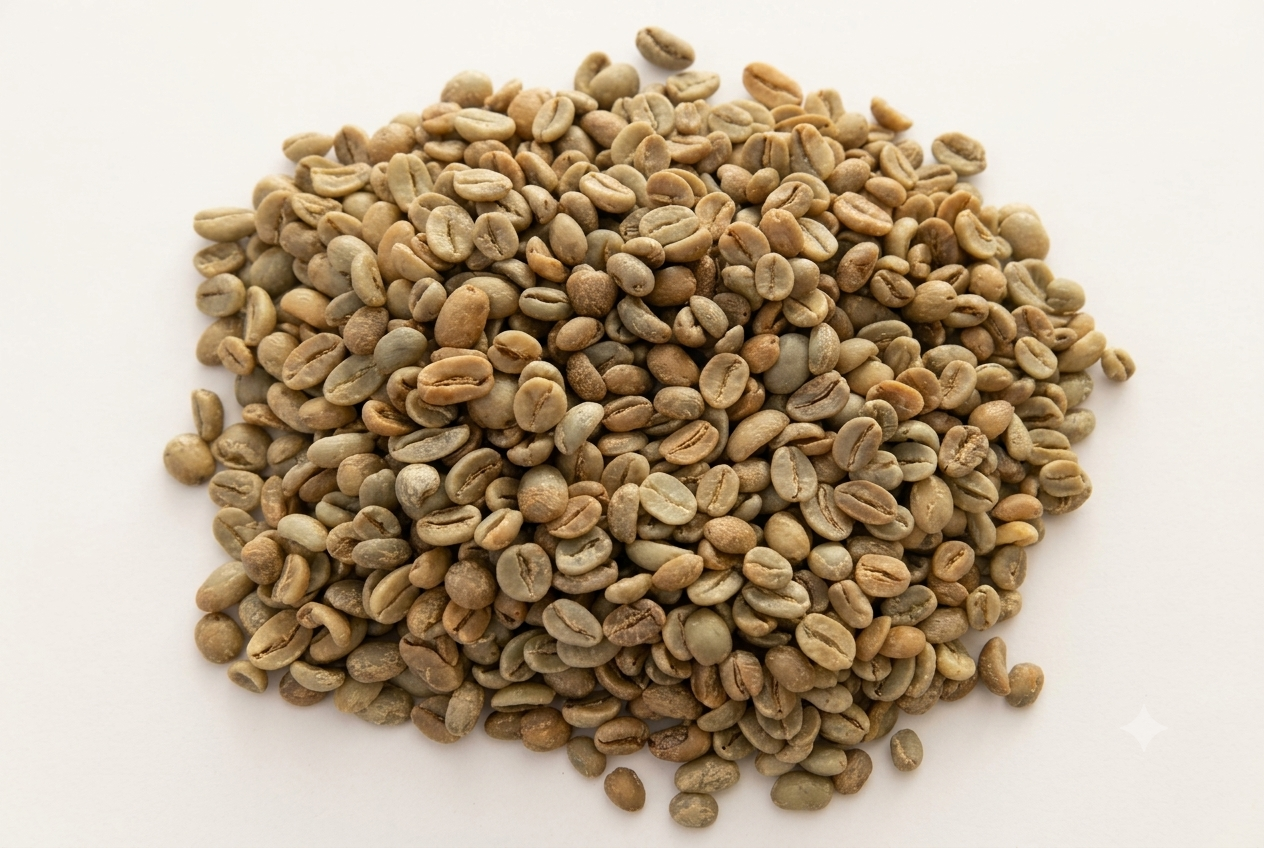
Caption: Vietnamese coffee, from farm to cup. DHPONE Coffee connects global buyers with quality Arabica and Robusta.
Why Find Arabica and Robusta Coffee Suppliers from Vietnam?
Buyers around the world look to Vietnam for good reasons. Here is why the country keeps climbing on sourcing shortlists.
Vietnam Is a Global Coffee Powerhouse
Coffee arrived in Vietnam in the 19th century and became a major export crop after economic reforms in the late 1980s. Today the country ranks as the world's leading Robusta origin and one of its biggest coffee exporters.
Most production is concentrated in the Central Highlands. Provinces such as Dak Lak, Lam Dong, Gia Lai, Dak Nong and Kon Tum offer red basalt soils, reliable rainfall and suitable altitudes.
When you find Arabica and Robusta coffee suppliers from Vietnam, you tap into a mature supply chain. Farmers, cooperatives, processors and exporters have built it over decades.
Competitive Pricing Without Sacrificing Quality
Vietnam's scale, efficient farming and established infrastructure help keep prices competitive. Buyers can still access well-graded, carefully sorted lots.
Quality is not only about the lowest price. It is about the best value per cup. The right supplier helps you balance cost, flavor and consistency.
A Wide Range of Coffee Profiles
Vietnam is not just "cheap Robusta". Today's market offers several styles:
- Fine Robusta with cleaner cup profiles
- Washed, natural (unwashed) and honey-processed lots
- Arabica from Lam Dong and other highland regions
- Roasted beans for retail, HoReCa and private-label programs
This range makes it easier to find Arabica and Robusta coffee suppliers from Vietnam that match your blend, brand and budget.
Understanding Vietnamese Robusta and Arabica Before You Buy
Before you contact any supplier, it helps to understand what you are buying. Knowing the basics lets you ask better questions and compare offers fairly.
Vietnamese Robusta Coffee: Bold, Strong and Versatile
Robusta (Coffea canephora) is known for its body, crema and higher caffeine content. It is a cornerstone of espresso blends, instant coffee and traditional Vietnamese drinks.
Typical flavor notes include:
- Dark chocolate and cocoa
- Roasted nuts
- Earthy or woody tones
- Low acidity with a heavy body
Well-processed Robusta can be smooth and sweet. It is not just bitter or rubbery.
Vietnamese Arabica Coffee: Aromatic and Sweeter
Arabica (Coffea arabica) grows at higher altitudes. Vietnam's main Arabica areas include Cau Dat (Da Lat, Lam Dong), as well as parts of Son La and Quang Tri.
Arabica from Vietnam often shows:
- Mild to medium acidity
- Caramel and honey sweetness
- Floral or fruity hints
- A smoother, more delicate body
Many buyers blend Arabica and Robusta to balance aroma, crema and cost.
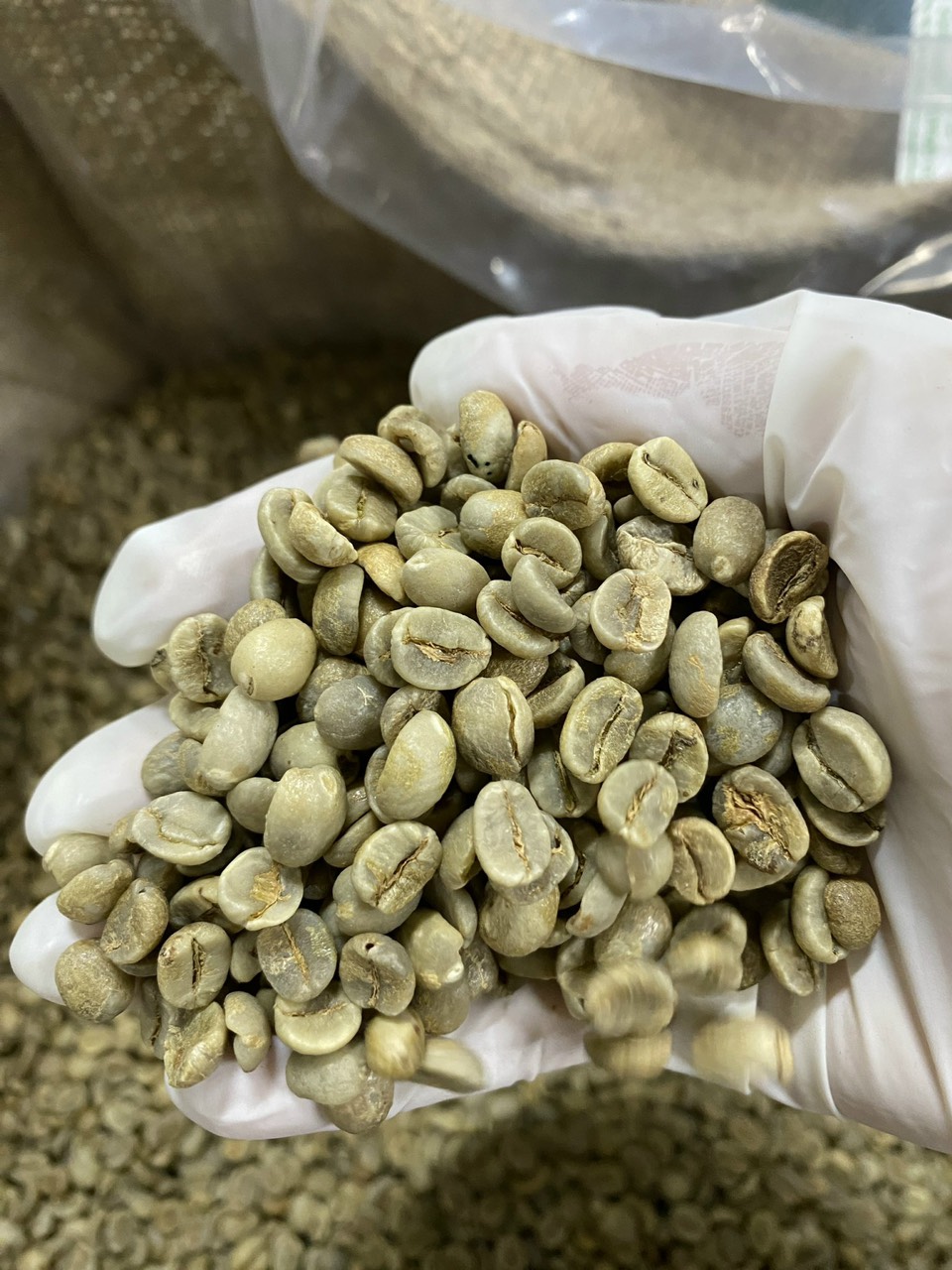
Caption: Arabica Cau Dat S18. Larger screen-size green beans from Vietnam's Lam Dong highlands.
Key Criteria When You Find Arabica and Robusta Coffee Suppliers from Vietnam
Not all exporters are equal. Use the checklist below to evaluate any potential partner.
1. Clear Grading and Screen Size
Screen size describes bean size. Buyers commonly see:
- Screen 18 (S18): larger beans, often used for premium Arabica lots
- Screen 16 (S16): the common standard for good Robusta
- Screen 13: smaller beans, often used for commercial or blend-focused grades
A trustworthy supplier will state the grade, screen size, defect level and moisture range. Do not accept vague descriptions like "good quality".
2. Processing Method
Processing changes flavor. When you find Arabica and Robusta coffee suppliers from Vietnam, ask which processes they offer:
- Washed (wet-processed): cleaner, brighter cup, higher consistency
- Natural (dry-processed / unwashed): heavier body, fruity or earthy notes
- Honey-processed: partial mucilage left on the bean for sweetness and body
Each method suits different roast styles and markets.
3. Moisture, Defects and Sorting
Moisture and defects affect shelf life and cup quality. Ask for typical figures for:
- Moisture content
- Black and broken beans
- Foreign matter
- Bean uniformity
Reputable suppliers screen, sort and polish beans before export. Some also use color sorters for extra consistency.
4. Samples Before Contracts
A good supplier will send pre-shipment and shipping samples. Always cup-test before you commit.
Compare the sample to the offer sample and to the final lot. This protects both sides.
5. Documentation and Compliance
Export coffee requires proper paperwork. Ask about:
- Commercial invoice and packing list
- Bill of lading
- Certificate of Origin (C/O)
- Phytosanitary certificate
- Fumigation certificate, if required
- Quality or weight certificates from inspection companies
Requirements differ by destination, so confirm what your market needs before you order.
6. Communication and Responsiveness
Time zones and language can slow down sourcing. Look for a team that answers questions clearly and quickly, and that keeps you updated on production and shipping.
Meet DHP: A Partner to Find Arabica and Robusta Coffee Suppliers from Vietnam
If you want to find Arabica and Robusta coffee suppliers from Vietnam with a single, reliable contact, DAI HUNG PHAT JSC (DHP) is built for that role.
About DAI HUNG PHAT JSC (DHP)
DHP is a Vietnamese company based in Ho Chi Minh City. It operates under the DHPONE Coffee brand and works with buyers who need dependable coffee supply and export support.
The company's focus is simple: connect international customers with quality Vietnamese Arabica and Robusta, backed by clear communication and practical logistics support.
Company details:
- Company name: DAI HUNG PHAT JSC (DHP)
- Tax code: 0312386976
- Address: 107/5N Hamlet 85, Dong Thanh Commune, Ho Chi Minh City, Vietnam
- Office: Gia Hoi Building, 725/21 Truong Chinh Street, Tay Thanh Ward, HCMC, Vietnam
What DHP Offers Buyers
When you use DHP to find Arabica and Robusta coffee suppliers from Vietnam, you can explore:
- Green Arabica and Robusta coffee beans
- Multiple processing styles, including washed, unwashed (natural) and honey
- Different screen sizes and grades to match your specs
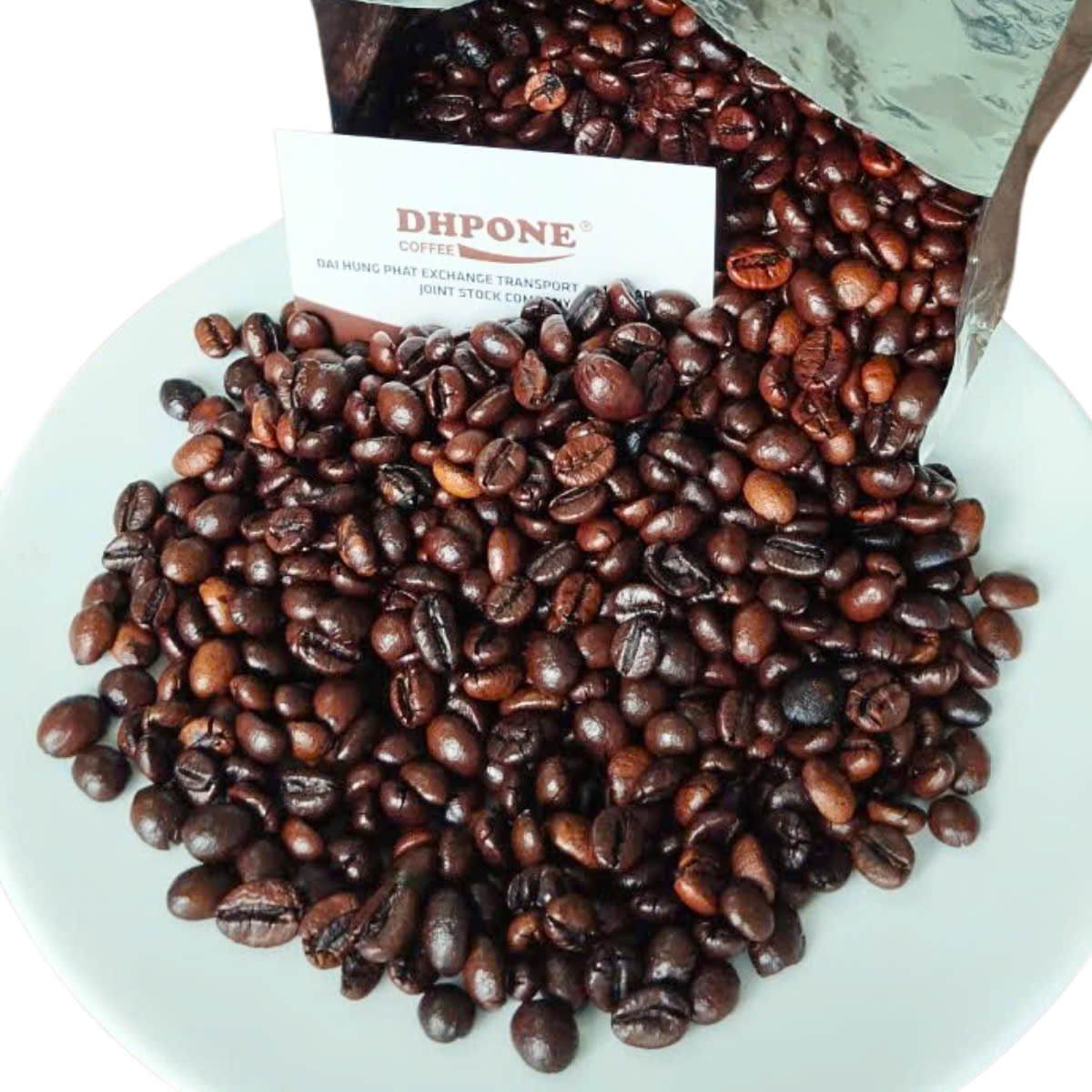
- Roasted coffee beans for retail and B2B customers
- Sample support and export documentation guidance
- Shipping coordination for FOB, CIF and other trade terms
Buyers range from small roasters testing a first container to distributors managing regular programs.
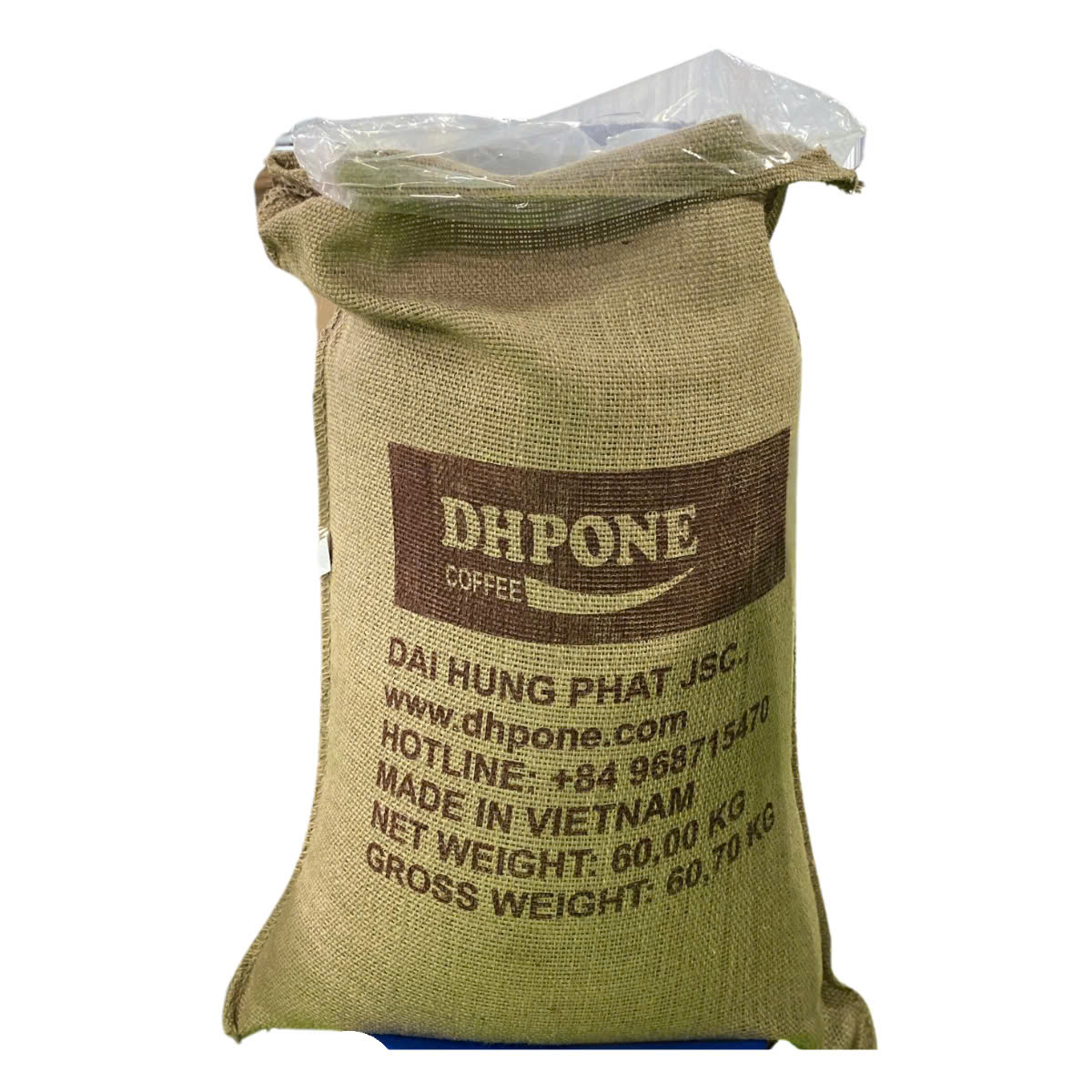
Caption: The DHP team supports buyers from sampling to shipping.
Arabica and Robusta Grades Available from Vietnam
Here are the types of coffee you can request when you find Arabica and Robusta coffee suppliers from Vietnam through DHP.
Arabica Cau Dat S18
Cau Dat is a well-known highland area near Da Lat in Lam Dong province. The cool climate and altitude help Arabica develop sweetness and aroma.
An S18 grade signals larger, more uniform beans. This is popular for:
- Specialty and premium-blend roasting
- Filter and pour-over programs
- Espresso blends that need sweetness and acidity
You can see this grade in our sample photo, with clean, well-shaped green beans.
Standard Vietnamese Arabica
Not every project needs the top screen size. Standard Arabica grades can suit cafe chains, private-label brands and blending programs where price and consistency matter most.
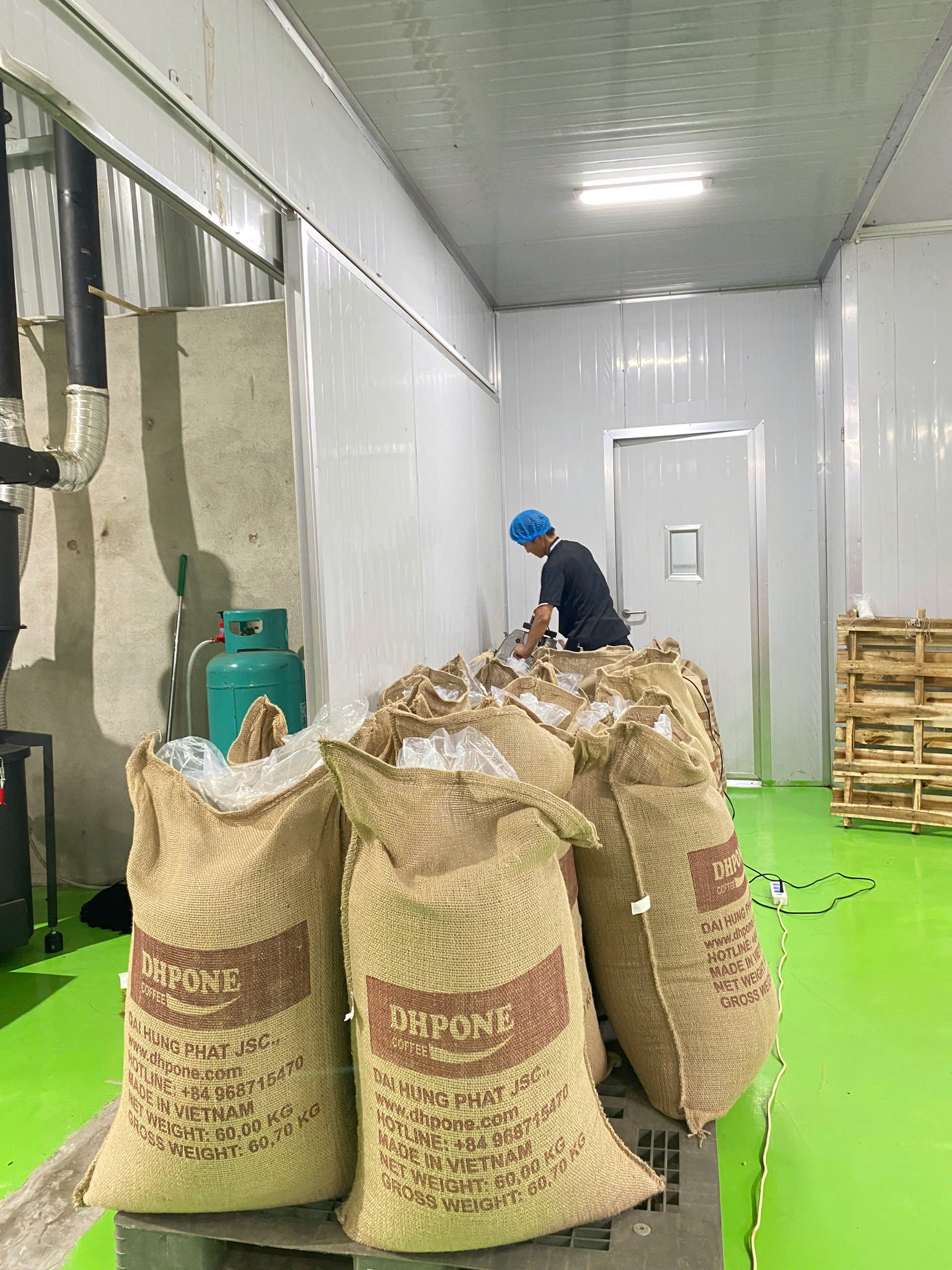
Caption: Arabica sample for cupping and evaluation before ordering.
Robusta S16 G1 Unwashed (Natural)
Natural or unwashed Robusta is a staple of the Vietnamese export market. Cherries are dried whole, which gives the bean a full body and a strong, classic profile.
Common uses include:
- Espresso blends
- Instant and soluble coffee
- Traditional phin-filter coffee
- Roasted ground coffee for mass markets
S16 G1 indicates a common export size with good grading and sorting.
Robusta Honey S16+
Honey-processed Robusta is a step beyond standard natural lots. Partial mucilage is left on the bean during drying, which can add sweetness and a rounder cup.
It works well for:
- Premium Robusta blends
- Cafes wanting smoother, lower-bitterness espresso
- Brands building a distinctive "fine Robusta" story
If your customers are asking for something new, this is worth sampling.
Caption: Robusta honey S16+. Sweeter and smoother than many standard Robusta lots.
Roasted Coffee for Retail and B2B
Some customers prefer to buy roasted beans ready to sell. DHP can support roasted Arabica, Robusta and blends according to buyer requirements.
Roast level, packaging and private-label options can be discussed on request.
Step-by-Step: How to Find Arabica and Robusta Coffee Suppliers from Vietnam and Place Your First Order
The process is simpler than many first-time importers expect. Here is a typical path.
Step 1: Define Your Requirements
Before contacting suppliers, decide on:
- Coffee type (Arabica, Robusta or both)
- Grade and screen size
- Processing method
- Quantity and delivery schedule
- Destination port
- Preferred trade terms (FOB, CIF, etc.)
The clearer your brief, the faster you receive accurate offers.
Step 2: Contact Suppliers and Request Offers
Reach out to a shortlist of exporters. Ask for specifications, price, packing options and lead time.
To find Arabica and Robusta coffee suppliers from Vietnam faster, send the same brief to every supplier so offers are easy to compare.
Step 3: Evaluate Samples
Request green samples and cup them. Check bean size, color, smell and defects. Then roast and taste.
If the sample fits your profile, proceed to negotiate.
Step 4: Agree on Contract Terms
A good contract covers:
- Product specification
- Quantity and tolerance
- Price and currency
- Payment terms
- Packing and marking
- Shipment window
- Quality claims procedure
Never skip the written contract, even with friendly partners.
Step 5: Production, Inspection and Shipping
Once the contract is signed, the supplier prepares the lot. A pre-shipment sample is sent for approval.
After approval, the coffee is packed, inspected and loaded. The supplier then arranges export clearance and documents.
Step 6: Receive and Review
When the container arrives, compare the delivery with your approved sample. Keep feedback specific and documented so future orders can be improved.
Caption: From inquiry to delivery: the six-step sourcing process.
Packaging, Logistics and Trade Terms
Logistics is where many sourcing projects succeed or fail. Understanding the basics helps you plan.
Common Packaging Options
Green coffee is typically packed in:
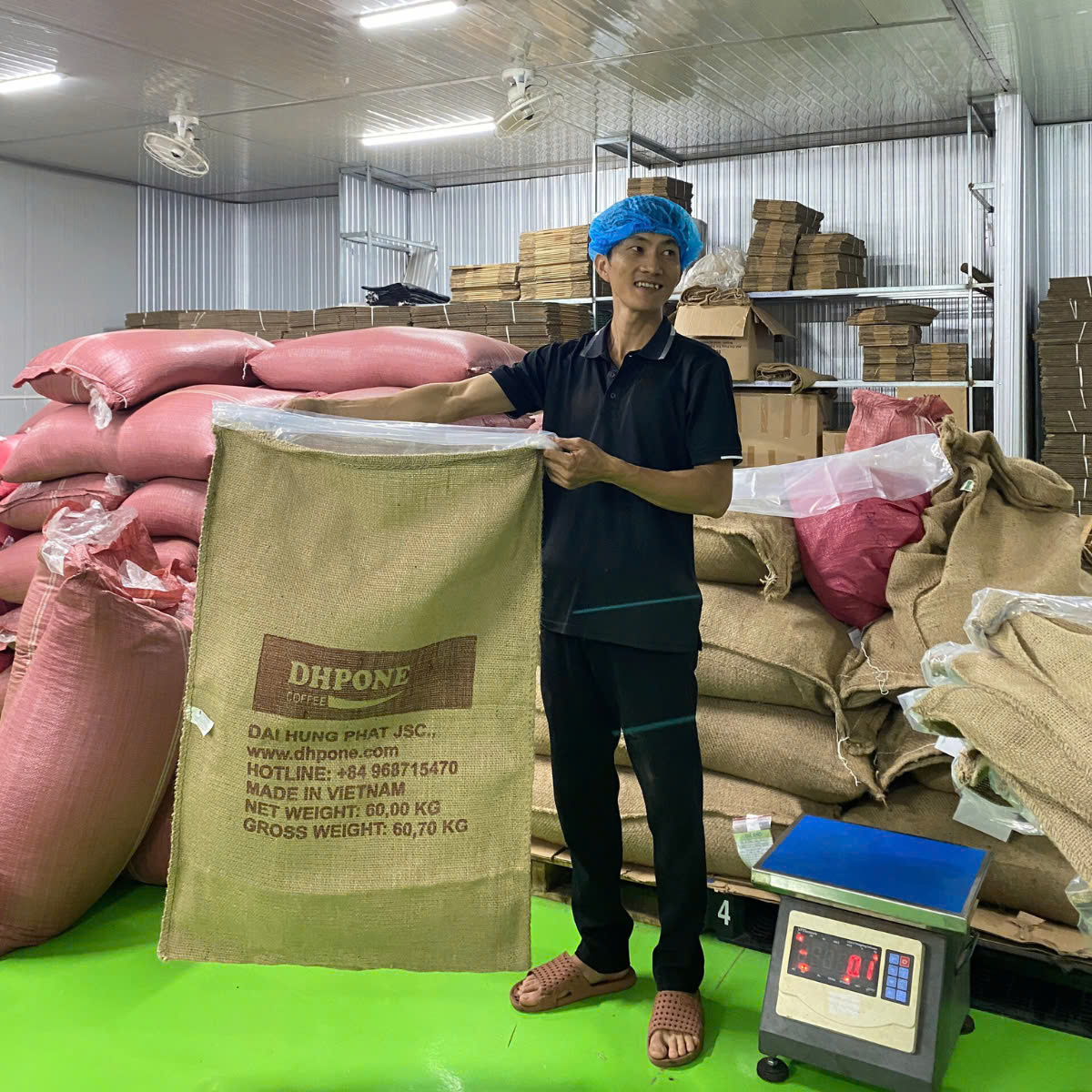
- 60 kg jute bags
- Jute bags with GrainPro or PE liners for better moisture protection
- Bulk containers with liners for larger volumes
Ask which option suits your route and storage conditions. Tropical shipping can expose coffee to humidity and temperature changes.
Container Loading
Coffee is commonly shipped in 20-foot or 40-foot containers, and many suppliers work with full-container-load (FCL) orders. Contact your supplier for current minimum order quantities and options for smaller trial shipments.
Understanding FOB, CIF and Other Terms
- FOB (Free on Board): the seller delivers goods on board the vessel at the Vietnamese port. You handle freight and insurance.
- CIF (Cost, Insurance and Freight): the seller covers freight and insurance to your destination port.
- CFR (Cost and Freight): similar to CIF but without insurance.
The right term depends on your experience with freight forwarding and your preferred level of control.
Shipping from Ho Chi Minh City
Ho Chi Minh City has major container ports and strong shipping connections. This makes it a practical export hub for coffee moving to Europe, the Middle East, Asia, North America and beyond.
Common Challenges When You Find Arabica and Robusta Coffee Suppliers from Vietnam (and How to Solve Them)
Every sourcing journey has risks. Here are common concerns and practical answers.
"How Can I Trust an Overseas Supplier?"
Trust is built through transparency. Check the supplier's company registration, ask for references, and request video calls or facility photos.
DHP shares its registered company information openly, including tax code and business addresses, so buyers can verify who they are working with.
"What If the Shipment Doesn't Match the Sample?"
Use a signed pre-shipment sample as your reference. Include a quality clause in your contract and consider independent inspection at loading.
"How Do I Avoid Price Volatility?"
Coffee prices fluctuate with weather, currency and global markets. Consider:
- Forward contracts for planned volumes
- Splitting orders across several shipments
- Discussing pricing formulas with your supplier
"What About Quality Consistency Across Harvests?"
Ask about the supplier's sourcing network and blending practices. A good exporter can explain how they keep grades stable from one lot to the next.
"Communication Feels Slow"
Choose a supplier with several contact channels. DHP can be reached by email, phone, WhatsApp and Zalo, so you can pick what suits your time zone and workflow.
Who Benefits from Working with a Vietnamese Coffee Supplier?
Different buyers use Vietnamese coffee in different ways. Here are a few examples.
Coffee Roasters
Roasters use Robusta for crema and strength, and Arabica for aroma and sweetness. Vietnam lets you source both from one country and one partner.
Importers and Distributors
Distributors need stable volumes and good documentation. A supplier with export experience reduces friction and helps keep your supply chain predictable.
Cafe Chains and Private-Label Brands
If you are building your own brand, you may need custom blends, packaging and roast profiles. Vietnamese suppliers can support OEM and private-label projects.
Instant and Soluble Coffee Producers
Robusta is a key raw material for soluble coffee, and Vietnam is a natural sourcing origin for it.
Tips for Cupping and Evaluating Vietnamese Coffee Samples
Sampling is your best tool when you find Arabica and Robusta coffee suppliers from Vietnam. Follow these tips to get useful results.
Inspect the Green Beans First
Look at color, size and uniformity. Check for broken beans, insect damage, mold or foreign matter. Smell the beans for any unusual odors.
Roast Consistently
Roast samples the same way each time so you can compare fairly. For Robusta, avoid extremes: too light can taste woody, too dark can taste burnt.
Cup Systematically
Note fragrance, aroma, flavor, aftertaste, body, sweetness and balance. Write scores and comments for each sample, and compare against your target profile.
Test in Your Real Product
A coffee that cups well may still behave differently in your espresso machine or blend. Test in the format your customers will drink.
Sustainability and Responsible Sourcing
Sustainability is now a purchasing criterion, not a bonus. Many buyers ask about farming practices, traceability and environmental impact.
When you find Arabica and Robusta coffee suppliers from Vietnam, ask about:
- Origin traceability (province, district or cooperative)
- Farming and drying practices
- Water use in wet processing
- Relationships with growers
- Certifications available for specific lots
Not every lot carries certifications, but open answers are a good sign. A supplier who discusses these topics honestly is usually a better long-term partner.
Why Choose DHP When You Find Arabica and Robusta Coffee Suppliers from Vietnam
There are many exporters in Vietnam, so why consider DHP? Here are the main reasons.
One Contact for Arabica, Robusta and Roasted Coffee
Instead of managing several vendors, you can discuss green Arabica, green Robusta and roasted coffee with one team.
Multiple Processing Options
From unwashed S16 G1 Robusta to honey S16+ and Cau Dat S18 Arabica, DHP offers choices to fit different cup profiles and price points.
Practical Export Support
DHP assists with sampling, documentation guidance and shipping coordination, which helps first-time importers avoid costly mistakes.
Accessible Communication
You can reach the team by phone, email, WhatsApp, Zalo and social media. Fast, clear communication keeps projects moving.
Local Presence in Ho Chi Minh City
With operations and an office in Ho Chi Minh City, DHP sits close to major ports, logistics providers and the country's coffee trade network.
Frequently Asked Questions (FAQ)
1. How do I find Arabica and Robusta coffee suppliers from Vietnam?
Start by defining your grade, quantity and destination. Then contact several exporters, request samples and compare offers on quality, price, documentation and communication. You can also contact DHP directly by email, phone or WhatsApp to request specifications and samples.
2. What is the difference between Vietnamese Arabica and Robusta?
Arabica is sweeter, more aromatic and has more acidity. Robusta is stronger, with a heavier body, more caffeine and notes of cocoa and nuts. Many buyers blend the two for balance and cost efficiency.
3. What does S16 or S18 mean in coffee grading?
"S" refers to screen size. S18 beans are larger than S16 beans. Screen size is one indicator of uniformity and grade, but it does not guarantee flavor, so always cup-test samples.
4. Can I get samples before placing an order?
Yes. Most reputable suppliers provide samples so you can evaluate the beans. Contact DHP to discuss sample availability and shipping.
5. What is the difference between washed, natural and honey Robusta?
Washed Robusta has the fruit removed before drying, giving a cleaner cup. Natural (unwashed) Robusta is dried in the cherry, giving more body and earthy tones. Honey Robusta keeps part of the mucilage during drying for added sweetness.
6. What trade terms can I use when buying coffee from Vietnam?
Common terms include FOB, CIF and CFR. Your choice depends on who you want to handle freight and insurance. Your supplier can explain how each term works for your destination.
7. What documents come with a coffee export shipment?
Typical documents include a commercial invoice, packing list, bill of lading, certificate of origin and phytosanitary certificate. Other certificates may be required depending on your country. Confirm requirements with your customs broker.
8. Does DHP offer roasted coffee as well as green beans?
Yes. DHP supports both green and roasted coffee. Contact the sales team to discuss roast level, packaging and private-label needs.
9. Is Vietnamese coffee suitable for specialty programs?
Yes, particularly for certain Arabica lots and fine Robusta. Quality varies by lot, so sampling and cupping are essential.
10. How can I contact DHP to request a quote?
Email sales01@dhptrans.com or sales02@dhptrans.com, or call +84 (28) 6684 1203 / 1204. You can also message +84 96 454 1249 on WhatsApp or Zalo.
Conclusion: Start to Find Arabica and Robusta Coffee Suppliers from Vietnam Today
To find Arabica and Robusta coffee suppliers from Vietnam, focus on what protects your business: clear grading, sample-based decisions, transparent documentation and responsive communication.
Vietnam offers a rare mix of scale, variety and value. With the right partner, you can secure consistent Robusta, sweet Arabica and unique honey-processed lots, all from one country.
DAI HUNG PHAT JSC (DHP) is ready to support importers, roasters and distributors who want a dependable Vietnamese coffee source.
Contact DHP: Request Samples and Quotes
DAI HUNG PHAT JSC (DHP)
Tax Code: 0312386976
Address: 107/5N Hamlet 85, Dong Thanh Commune, Ho Chi Minh City, Vietnam
Office: Gia Hoi Building, 725/21 Truong Chinh Street, Tay Thanh Ward, HCMC, Vietnam
Tel: +84 (28) 6684 1203; +84 (28) 6684 1204
Phone / WhatsApp / Zalo: +84 96 454 1249
Email: sales02@dhptrans.com; sales01@dhptrans.com
🌐 Website: https://dhpone.com/
🌐 Facebook: https://www.facebook.com/lifecafevn
🌐 TikTok: https://dhponecoffee
🌐 YouTube: https://www.youtube.com/@binhdinhmusic2295
🌐 LinkedIn: https://www.linkedin.com/in/tina-trinh-269712262/
🌐 Alibaba: https://daihungphat.m.trustpass.alibaba.com
🌐 Instagram: https://www.instagram.com/dhpone_coffee
🌐 Map: https://maps.app.goo.gl/AZsFLB8uYAUBRfKbA
Ready to find Arabica and Robusta coffee suppliers from Vietnam? Contact DHP today for samples, specifications and a competitive quote.


